In short (for readers in a hurry)
- Fasting means 12 hours without food or sugary drinks — water is allowed and encouraged. Do not fast longer than 14 hours.
- You must fast for blood sugar, insulin, lipids, iron, uric acid and bone markers. For thyroid, female hormones, vitamin D or inflammation, fasting is not needed.
- Take your medicines as usual (unless your doctor tells you otherwise). Stop supplements containing biotin 48 hours before — they interfere with thyroid, hormone and vitamin tests.
- No strenuous exercise or alcohol the day before. Training raises muscle enzymes and alcohol raises liver enzymes. The report would lie.
- Have blood drawn in the morning between 7 and 10 am. Iron, testosterone and cortisol peak in the morning. For prolactin, sit quietly for 20 minutes first.
- Women: FSH, LH and estradiol on days 2–5 of the cycle, progesterone about 7 days before your period, AMH any time. Hormonal contraception invalidates hormone results.
- Already have a report? Upload it to Blood Lab 360 and get every value explained.
Good news: for most blood tests you hardly need to prepare at all. A few rules do matter, though — and some are the opposite of what people say. This guide tells you which test requires what, and why. It also tells you what happens to the result if you ignore the rule. Every rule here is the same one our app uses when explaining your report.
1 · Do I need to fast?
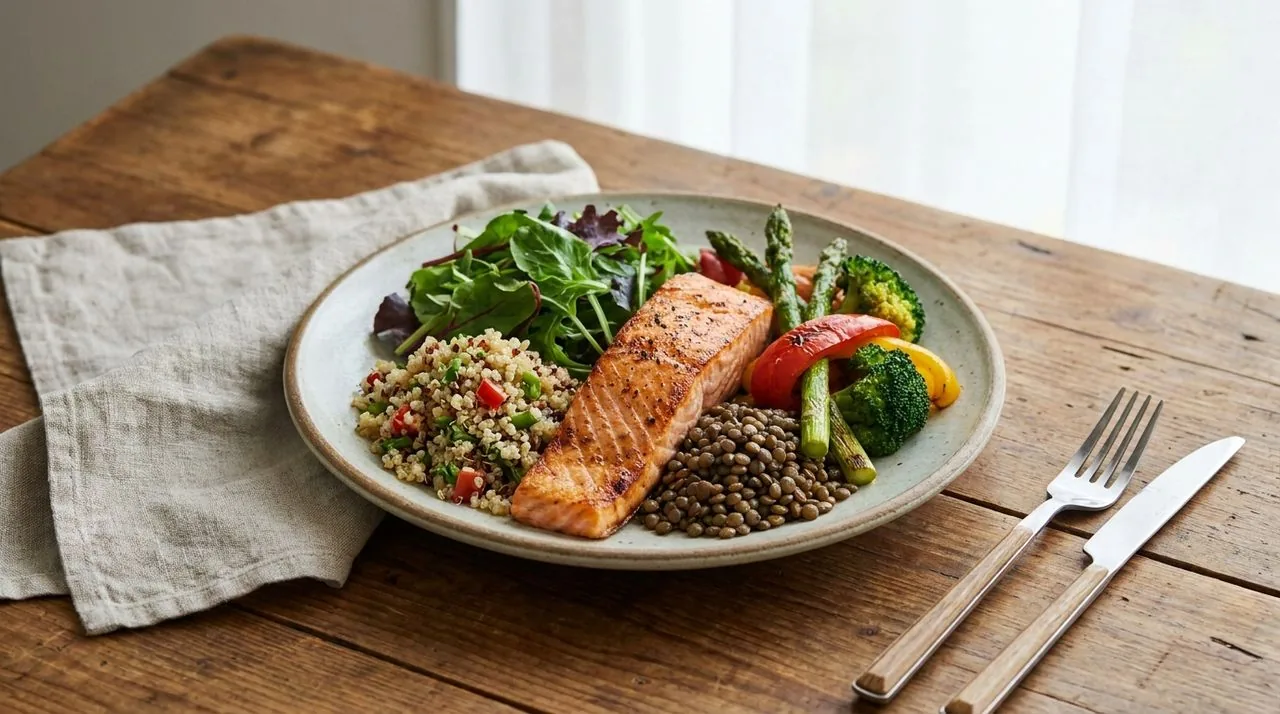
It depends on the test. "Fasting" means 12 hours without food, sugary drinks, alcohol or cigarettes. The easiest way: last meal by 7 pm, blood draw between 7 and 9 am.
| Test | Fasting | Why |
|---|---|---|
| Glucose, insulin, HOMA-IR | 12 h | Every meal raises blood sugar and insulin — without fasting the number says nothing. |
| Cholesterol, LDL, HDL, triglycerides | 12 h | Triglycerides rise after a meal; EFLM/EAS 2016 recommend a non-fasting sample as the routine default; a fasting repeat is needed only when non-fasting triglycerides are very high. Many laboratories still ask for fasting, so follow the instruction on your referral. |
| Iron + TIBC (transferrin saturation) | 12 h, morning | Blood iron fluctuates through the day and after meals. |
| Uric acid, ALP, phosphate, homocysteine | 12 h | A meat meal raises uric acid, a fatty meal raises ALP, a protein meal raises homocysteine. |
| CTX, iPTH (bone), zinc | 12 h, morning | After a meal they drop by 20–40 % (CTX) or fluctuate markedly (PTH, zinc). |
| Thyroid (TSH, fT4, anti-TPO) | not needed | Food does not affect them. |
| Female and male hormones, AMH, prolactin | not needed | Time of day and cycle day matter, not fasting (see 3 and 4). |
| Vitamin D, B12, folate, ferritin, hs-CRP, CBC | not needed | The values are stable — but if the same panel includes blood sugar or lipids, fasting applies to the whole panel. |
| Sexually transmitted infections, hepatitis, H. pylori in stool | not needed | Other rules apply (see 5). |
A simple rule applies: if a panel contains even one test that requires fasting, the whole panel is "fasting".
What is allowed during the fast and what is not
| Allowed? | Explanation | |
|---|---|---|
| Water | YES | Drink normally, including in the morning — well-hydrated veins make the draw easier and the report more reliable. |
| Coffee, tea (even without sugar) | NO | Caffeine raises cortisol and blood sugar and narrows blood vessels; black coffee "on an empty stomach" is not fasting. |
| Medicines | YES | Take them as usual, with water. Only your doctor decides on exceptions (e.g. thyroid medication after the draw when the dose is being monitored). |
| Brushing your teeth | YES | Does not affect blood. (Exception: salivary cortisol — no brushing for 30 minutes before.) |
| Chewing gum, candy | NO | Sugar and chewing trigger insulin and stomach enzymes. |
| Cigarettes, e-cigarettes | NO | Nicotine raises blood sugar, cortisol and fatty acids. |
| Alcohol | NO, 24 hours | Raises triglycerides, GGT and uric acid even a day later. |
| Fasting too long (over 14 hours) | NO | Bilirubin and ketones rise, blood sugar can drop too low — the report would show false problems. |
Diabetes on insulin or tablets? Do not start fasting on your own. Agree with your doctor on how to handle the dose. Take the first morning slot so the fast is as short as possible.
2 · The day before: exercise, alcohol, food and supplements
This is where most "false deviations" happen. The report does not lie — it tells you what your body has been through in the last 24–72 hours.
| What | How long before | Which tests it disturbs |
|---|---|---|
| Strenuous exercise (running, gym, a match) | 24 h — for CK, AST and LDH 72 h | The muscle enzyme CK stays raised for 3–7 days; AST, creatinine, white blood cells and ferritin rise temporarily. A light walk is fine. |
| Alcohol | 24 h | GGT, triglycerides, uric acid. |
| A large meat meal, creatine | 24 h | Creatinine (and therefore eGFR) and urea — the kidneys would look worse than they are. |
| Biotin (vitamin B7 in hair and nail products, "B-complex") | 48 h | Interferes with TSH, fT4, fT3, anti-TPO, ferritin, vitamin D, B12, folate, PSA, SHBG, DHEA-S — the result can be falsely high or low (FDA 2019). |
| Zinc and magnesium supplements | 24 h | Temporarily raise serum zinc and magnesium and mask your real stores. |
| Vitamin D as a supplement | skip it on the day of the draw | The measurement reflects your stores over recent weeks — one skipped dose does no harm, one morning dose can distort it. |
| Omega-3, B12, iron as treatment | do not stop | What matters is your actual state while taking them; the omega-3 index measures recent weeks, not the last dose. |
| Seafood | 3 days | Only when measuring mercury. |
What about sleep? One bad night does not spoil a blood count, but it can raise cortisol and blood sugar. If you were up all night, it is better to reschedule. Cortisol at 8 am after a sleepless night says little.
3 · In the morning: what time of day and why it matters
Most reference values apply to a morning draw between 7 and 10 am. For some hormones the time is not a detail but a condition:
- Cortisol: between 8 and 9 am. Morning cortisol is a screening test for adrenal function. It does not measure "stress". An afternoon value has no reference frame.
- Testosterone: in the morning (7–10 am), fasting. In the afternoon it is up to a quarter lower in younger men. A low value is only confirmed by a repeat measurement.
- Prolactin: sit quietly for 20 minutes before the draw. No stress, rushing or physical effort. Prolactin is a stress hormone. It easily "goes over the limit" after a run to the lab.
- Iron, phosphate, PTH, CTX: in the morning and fasting, because they fall during the day.
- Calcium, albumin, proteins, electrolytes: sit quietly for 5 minutes before the draw. Do not clench your fist during the draw. The phlebotomist watches for this, but it is good to know why you are asked.
4 · Women: cycle day, contraception, pregnancy, menstruation
With hormones it is not only what you measure that matters, but when. The same hormone can be five times higher in one week of the cycle than in another — and both values are "normal".
| Test | When | What it tells you |
|---|---|---|
| FSH, LH, estradiol, 17-OH-progesterone | days 2–5 of the cycle (day 1 = first day of bleeding) | Baseline status of the hormonal axis and ovarian reserve; outside this window the value has no reference frame. |
| Progesterone | mid-luteal phase — about 7 days before your expected period (around day 21 in a 28-day cycle) | The only test that confirms ovulation. This is a second draw, not the same one as the baseline. |
| AMH | any day | Estimate of ovarian reserve; it hardly changes across the cycle. |
| Thyroid, iron, vitamins, blood sugar | any day | The cycle does not affect them. |
- Hormonal contraception (pill, patch, ring, hormonal IUD) invalidates FSH, LH, estradiol, progesterone and SHBG results and lowers AMH by about a third. The measurement is only meaningful 3 months after stopping. Never stop contraception for a test. This is just so you know what the result means.
- Irregular cycles or no periods: have blood drawn on any day and note the date of your last period. The app takes the context into account.
- After 45 FSH is not used to diagnose menopause (NICE NG23). We tell you this straight rather than sell you a test.
- Pregnancy: say so before the draw. HbA1c is not valid in the 2nd and 3rd trimester. Different ranges apply for the thyroid. Ferritin and hemoglobin fall naturally in pregnancy.
- Menstruation: a blood draw is fine. But do not do urine tests (basic analysis, albumin/creatinine) during your period. Blood in the urine spoils the result.
5 · Tests with special rules
| Test | Rule | Why |
|---|---|---|
| hs-CRP and ferritin | not during an infection and for 2 weeks after it | With a cold, CRP rises by an order of magnitude and ferritin goes up and masks iron deficiency. Reschedule. |
| PSA | 48 h without sexual activity, cycling or a prostate exam; not during a urinary infection | Mechanical irritation and infection raise PSA temporarily. Medicines for an enlarged prostate (finasteride, dutasteride) halve it — list them. |
| Helicobacter pylori (stool antigen) | 2 weeks without stomach-acid blockers (PPIs), 4 weeks without antibiotics | Otherwise the test is falsely negative — the bacterium "hides". |
| HIV, syphilis, chlamydia/gonorrhea | window period: HIV up to 45 days, syphilis up to 6 weeks, chlamydia and gonorrhea 2 weeks after exposure | Earlier, the test can be falsely negative. Urine for chlamydia/gonorrhea: first-catch urine, at least 1 hour after you last urinated. |
| Basic urine analysis | first morning urine, midstream, after washing | The most concentrated sample without contamination. |
| Urine albumin/creatinine (ACR) | second morning urine; not after strenuous exercise, during your period or with a urinary infection | Effort and infection raise urine albumin and the kidneys would look sicker. |
| Salivary cortisol | 30 minutes before: no food, drink, smoking or tooth brushing; no licorice; blood in the saliva invalidates the sample | Saliva is sensitive to everything in the mouth. The validated sample is the late-evening one (at 11 pm). |
| CK (creatine kinase) | 72 h without training; mention statins | Effort and statins raise CK — it is read in context. |
6 · What to bring and what to arrange beforehand
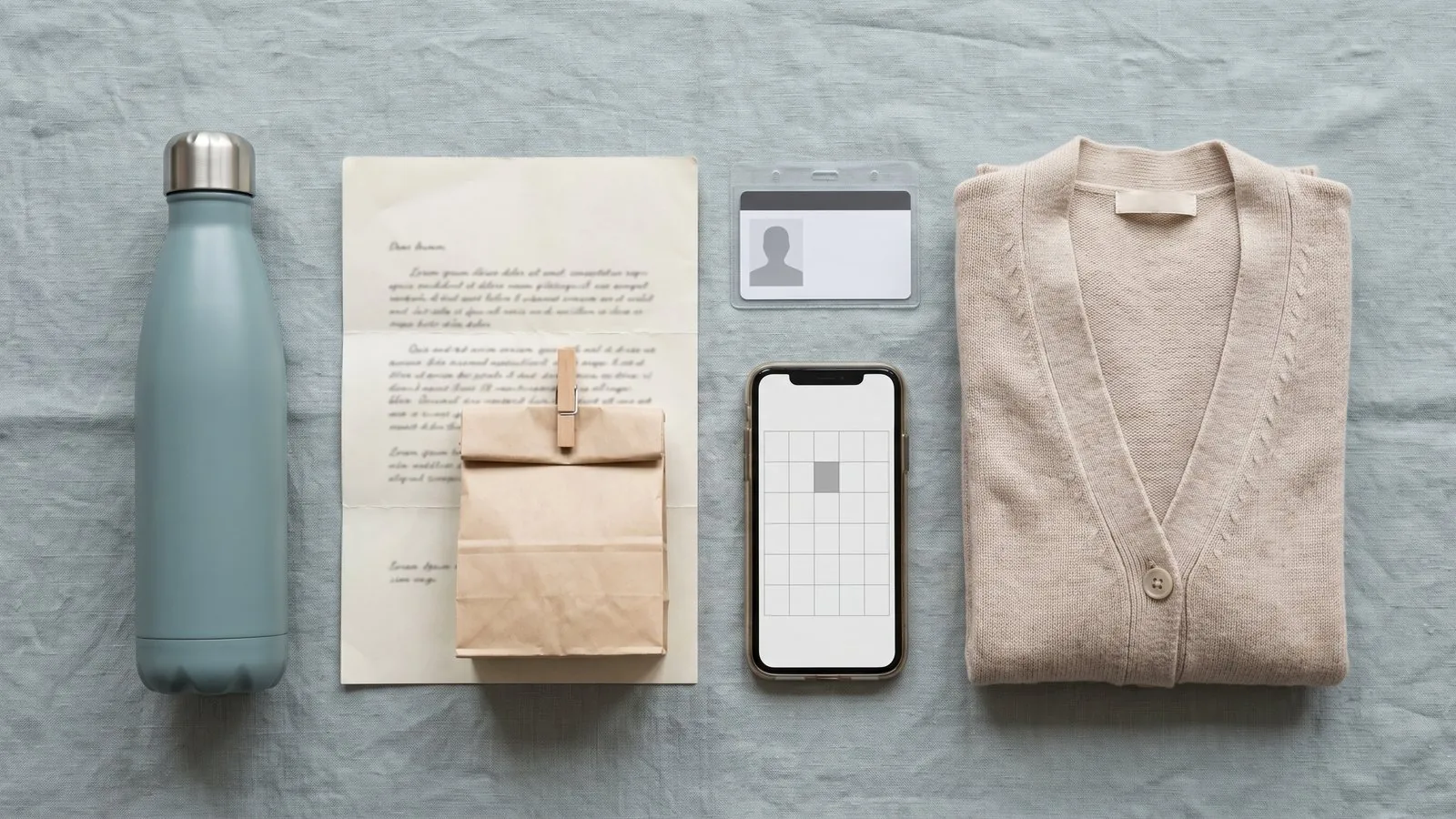
- ID document. Your identity is checked at every draw — your report has to be truly yours.
- A list of medicines and supplements (or a photo of the boxes). Some medicines change results (statins → CK, acid blockers → H. pylori, contraception → hormones). Tell the lab and note them in the app. They are taken into account in the explanation.
- Appointment. Check with your lab in advance whether you need an appointment or a doctor's referral.
- Water and a snack for afterwards. Eat after the draw — especially if you fasted and tend to feel faint.
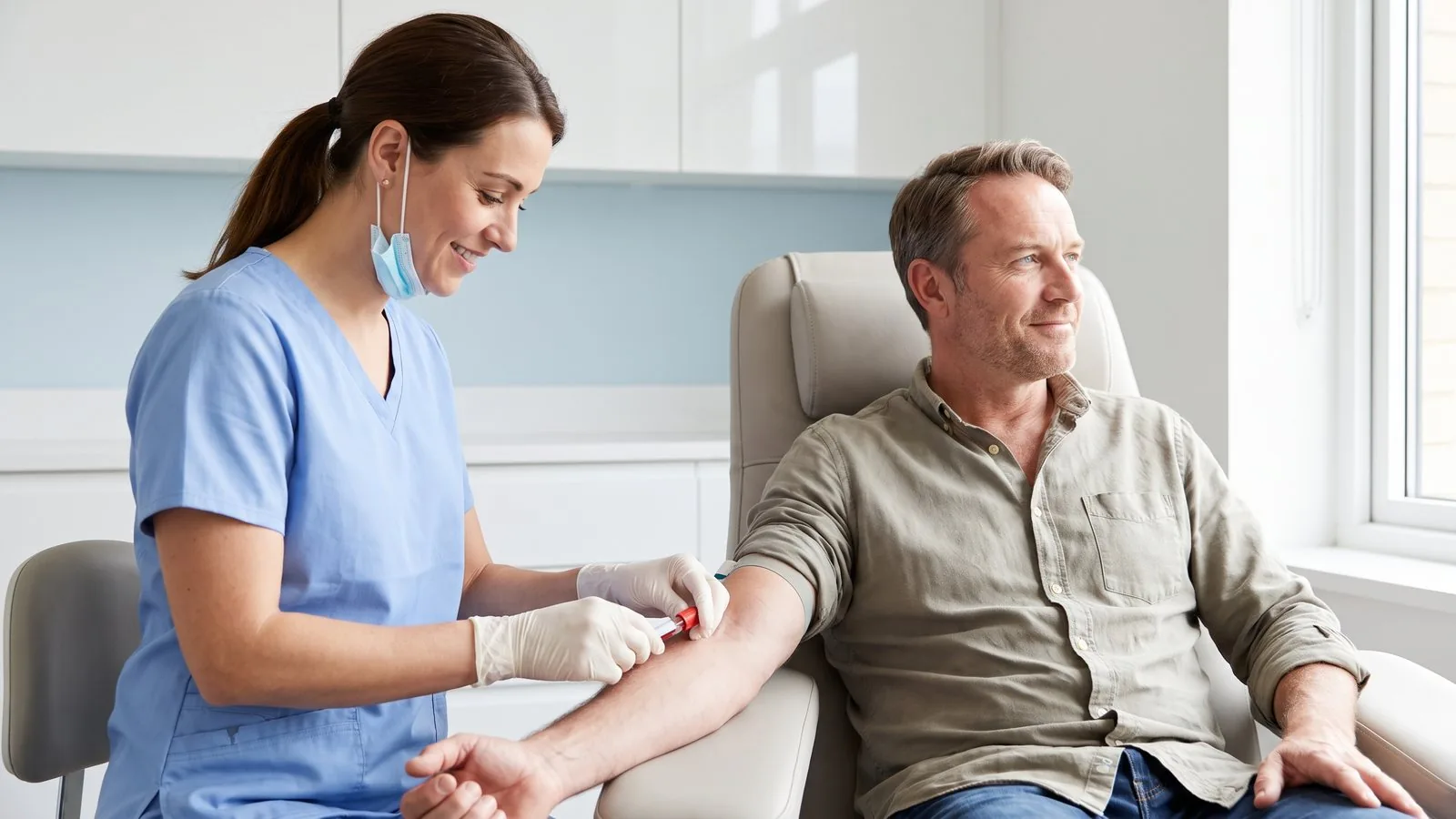
- Clothes with sleeves that roll up. Blood is drawn from the crook of the elbow or the upper arm.
- Afraid of needles? Say so before the draw — staff can adapt the procedure. How to make a blood draw easier.
- A child? All the rules are the same, but the preparation is mostly psychological: tips for parents.
7 · Home blood draw — same rules, one difference
If the draw comes to you, the same preparation applies as in a lab. The difference is on the lab's side. For glucose, the tube should contain a glycolysis inhibitor (NaF), or the sample should be centrifuged within 30 minutes. Otherwise blood cells "eat" the sugar in the tube on the way to the lab. The result is then falsely low by 5–7 % per hour. That is the lab's job, not yours. We mention it because it is the reason some home draws underestimate blood sugar.
8 · If you did not follow the preparation — say so, do not hide it
It happens: coffee on the way, yesterday's workout, forgotten biotin. Note it in the app. The result is then explained in the right context. Some values are flagged as less reliable (e.g. ferritin during a cold, HbA1c with iron deficiency, creatinine after training). You also get a suggestion of when to repeat them. The worse option is a "nice" report that lies. Honest context beats a perfect fast.
How our app does this. Every rule in this article is built into the report explanation. With ferritin it checks CRP, with HbA1c iron, with creatinine cystatin C. With hormones it checks the cycle day and contraception, with cortisol the time of the draw. How to read a blood test report.
9 · Checklist — print or save
The day before
- No strenuous exercise (3 days for CK/AST) and no alcohol.
- No large meat meal or creatine if I am testing my kidneys.
- Biotin and "B-complex" stopped 48 hours ago; zinc and magnesium 24 hours ago.
- Last meal by 7 pm if the panel is "fasting".
- I do not have a cold and have not been ill in the last two weeks (CRP, ferritin).
In the morning
- Water yes; coffee, tea, juice, chewing gum, cigarettes no.
- Medicines taken as usual (unless my doctor said otherwise); vitamin D skipped today.
- Appointment between 7 and 10 am; for cortisol between 8 and 9; for prolactin 20 minutes of rest.
- Women: the right cycle day for FSH/LH/estradiol (2–5) or progesterone (7 days before my period).
- Urine: first morning (basic analysis) or second morning (ACR), not during my period.
With me
- ID document and a list of medicines and supplements.
- Water and a snack for after the draw.
- Sleeves that roll up; a heads-up if I am afraid of needles or feel faint at the sight of blood.
Frequently asked questions
How many hours do I need to fast before a blood test?
12 hours without food or sugary drinks (14 at most). Water is allowed and encouraged. Fasting is needed for blood sugar, insulin, lipids, iron, uric acid and bone markers. It is not needed for thyroid, hormones, vitamin D, inflammation or a blood count. But if the panel also includes blood sugar or lipids, fasting applies to the whole panel.
Can I drink water before the draw?
Yes — drink normally, including in the morning. Water does not affect the results, and well-hydrated veins make the draw easier.
Can I have coffee?
No, not even black coffee without sugar. Caffeine raises cortisol and blood sugar. Have your coffee right after the draw.
Should I take my medicines?
Yes, as usual, with water — unless your doctor tells you otherwise. One example: thyroid medication after the draw when the dose is being monitored. Note your medicines in the app so they are taken into account in the explanation.
I trained yesterday — is that a problem?
For a blood count, creatinine and ferritin, allow 24 hours. For CK, AST and LDH, allow 72 hours. Otherwise muscle enzymes and kidney values will be falsely raised. A light walk is fine.
I have a cold. Should I go?
If you are measuring inflammation (hs-CRP) or iron (ferritin), reschedule for two weeks after recovery. Otherwise both values will be misleading. For thyroid, blood sugar or lipids a cold does not interfere.
I have my period — can I give blood?
Yes, blood can be drawn. Do not do urine tests during your period. For hormones (FSH, LH, estradiol), days 2–5 of the cycle are exactly the right time.
Can I smoke before the draw?
No — nicotine raises blood sugar, cortisol and fatty acids. Have your last cigarette the evening before.
What time of day is best?
In the morning between 7 and 10 am — that is when the reference values apply. For cortisol between 8 and 9 am; for testosterone and iron as early as possible.
Do I need a referral?
That depends on your country and the lab you use. Blood Lab 360 does not perform blood draws. Once you have your report, upload it and get every value explained.
Sources: EFLM/EAS 2016 (Nordestgaard et al., Eur Heart J) — non-fasting and fasting lipids · ADA Standards of Care 2024 §2 — glucose, HbA1c · Endocrine Society 2016 (adrenal insufficiency) and 2018 (testosterone) — time of draw · FDA Safety Communication 2019 — biotin and immunoassays · WHO 2020 — ferritin and inflammation · Maastricht VI/Florence 2022 — H. pylori · NICE NG23, ESHRE/NICE CG156 — cycle day and contraception · CDC 2021/BASHH — STI window periods · KDIGO 2024 — creatinine, ACR · CLSI GP41 — venous stasis and fist clenching · IFCC — CK after exertion. The rules are the same ones our app uses; the final requirements are confirmed by the laboratory performing the analysis.