
Blood tests, in plain words
68 guides: what a value means, which tests explain a symptom, and how to improve the numbers. Built on the same knowledge base the app uses. How we write and review →

How to read your blood test report: what reference ranges mean, why 'within range' is not always 'optimal' and which markers to track. Step by step.
Reference ranges for 111 blood tests in SI units (mmol/L, µg/L, nmol/L), each with its source. Why limits differ between labs and what a borderline value means.
Blood chemistry panel normal values for ALT, AST, GGT, CK, creatinine and glucose, each with a source, plus what S- means on a lab report and µkat/L to U/L.

An AI blood test analyzer explains terms well but can guess ranges, miss age and sex, and change answers. What studies show and how to use ChatGPT safely.

A copy-ready ChatGPT prompt for blood test results: what to include, what never to paste, a ferritin and CRP example, and what no prompt can fix.

Is it safe to upload blood test results to ChatGPT? What happens to your file, how to stop training, Temporary Chat, EU rules and what to remove first.

Lasting fatigue: which blood tests make sense, in what order (iron with CRP, thyroid, B12, glucose, coeliac), which tell you nothing, and when to see a doctor.

TSH: normal values by age and in pregnancy, subclinical hypothyroidism, why a mildly raised TSH is not yet a disease, and when to add fT4 and anti-TPO.
Low or high ferritin? What the values mean, why iron matters for energy and how to raise your stores naturally, with a clear table.

Low vitamin D? What 25-OH-D values mean, why vitamin D is key for bones, immunity and energy, and how to raise your level naturally and with supplements.
High cholesterol? Cholesterol vs LDL vs ApoB, what the values mean and how to lower them naturally, with a clear table of targets.

High blood sugar or HbA1c? Glucose and HbA1c, when it counts as prediabetes and how to lower them naturally — with a clear table.
The reference range covers 95% of healthy people, so one in twenty results in a healthy person is flagged. How to tell harmless variation from real signals.

Biological age shows how old your body really is, regardless of birth date. How it is estimated from blood and which steps actually slow it down.

What blood test abbreviations mean: CBC, MCV, hs-CRP, eGFR, TSH, fT4, ApoB, Lp(a) and the prefixes S-, P-, B-, U-. 76 terms, each linked to its explanation.

Hours of fasting, water and coffee, medicines and supplements, time of day and cycle day — blood test preparation rules test by test, with a checklist.

Which blood tests make sense in each decade, for women and men, and what to drop after 70. A table with intervals plus national screening programmes.

hs-CRP measures silent inflammation and predicts heart risk. What values under 1, 1–3 and over 3 mg/L mean, and how to lower inflammation naturally.

High ESR on your blood test? What the sedimentation rate means, normal ranges by age and sex, how it differs from CRP, and when to see a doctor quickly.

TSH, fT4, fT3 and antibodies — which test to order when. Why biotin spoils the result, what time to have blood drawn, and what raised TSH with normal fT4 means.

Fatigue, tingling, anaemia? What vitamin B12 and folate mean, when they are low and how to raise them naturally and with supplements.
High homocysteine often means low B12, folate or B6, or weaker kidneys. See the normal range, causes, what to test next and what lowering it can't do.

Raised liver tests ALT, AST or GGT? What these enzymes mean, the most common cause (fatty liver) and how to help your liver naturally.

Alkaline phosphatase high or low? What ALP means, the normal range, why teens and pregnancy differ, and how GGT tells liver from bone. Red flags included.

Bilirubin high or slightly elevated? What it means, normal range in µmol/L and mg/dL, how to spot Gilbert's syndrome, and which patterns need a doctor.
Albumin low or high on your blood test? Normal range in g/L and g/dL, causes of low albumin, why it changes slowly, and which patterns need a doctor.

What does a CBC report mean? Haemoglobin, red and white cells and platelets, and when they point to anaemia or infection.
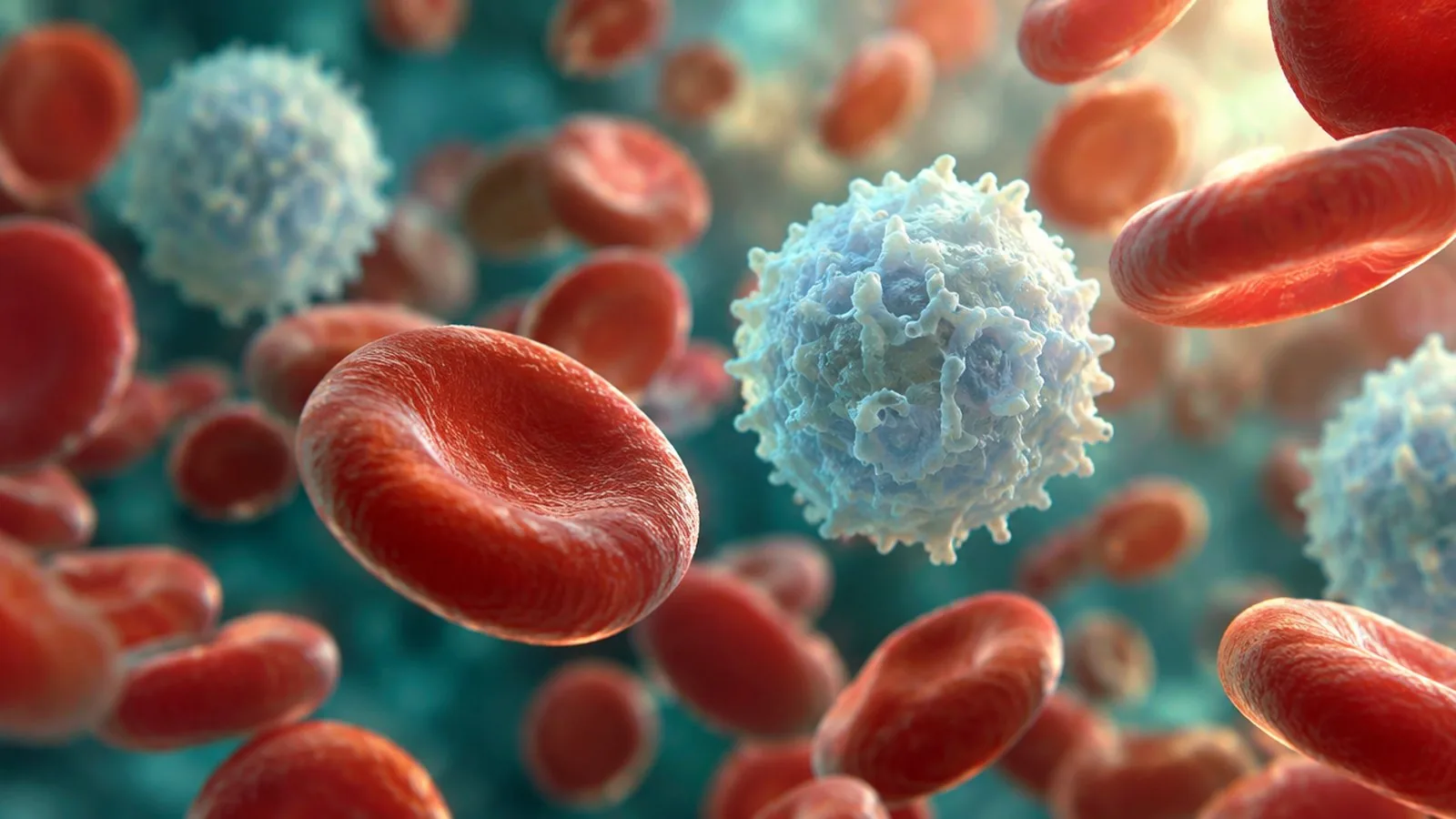
WBC high or low? See the normal range (3.5–8.8 × 10⁹/L), common causes, patterns with neutrophils and CRP, when to repeat, and when to see a doctor.

Neutrophils high or low? Normal range (1.5–7.5 × 10⁹/L), absolute count vs %, causes, high neutrophils with low lymphocytes, and when low is an emergency.

Lymphocytes high or low? Normal range (1.0–4.0 × 10⁹/L), absolute count vs %, viral and other causes, lymphocytes with monocytes, and when to see a doctor.
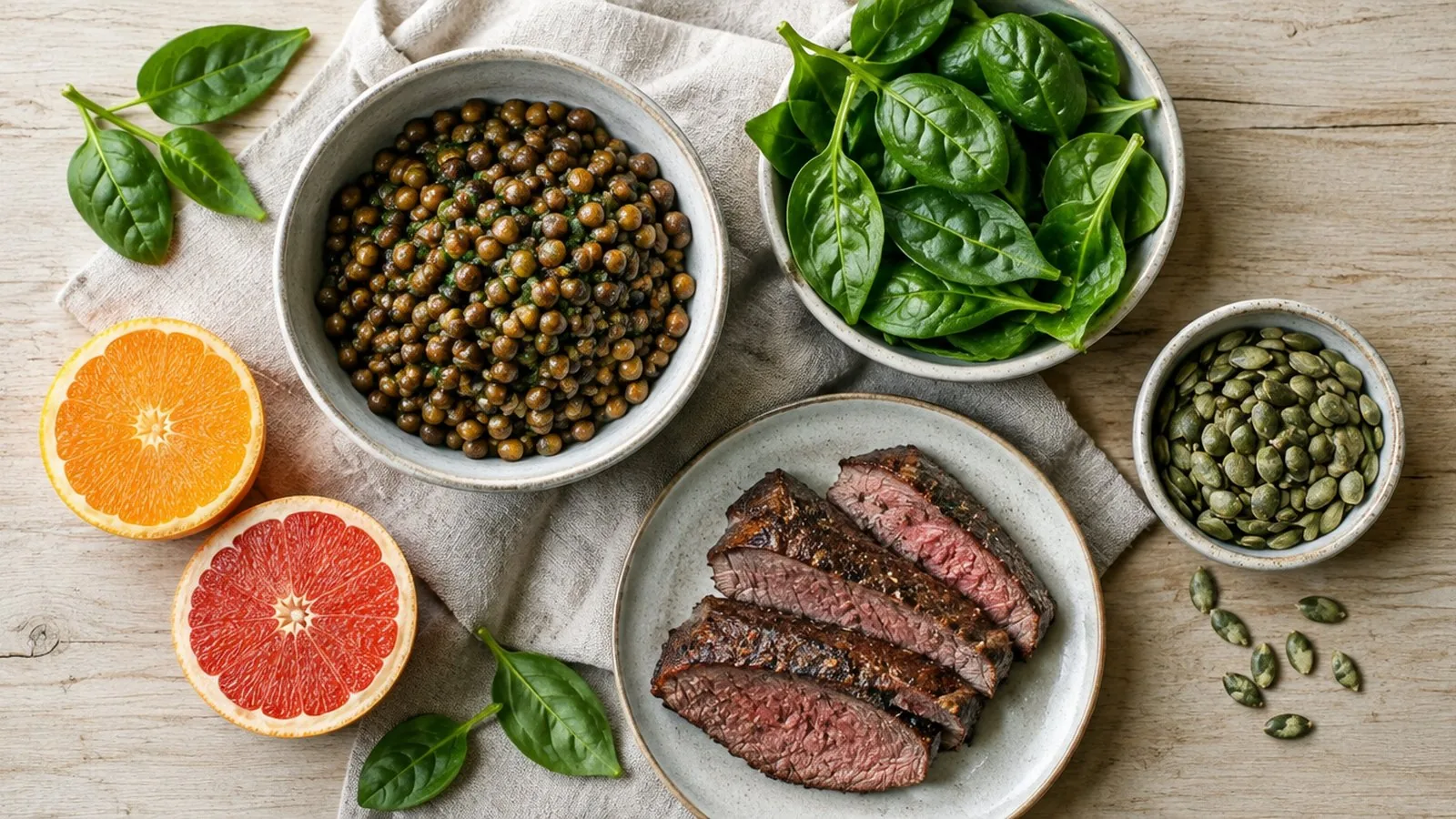
MCV high or low, MCH and MCHC low: what red cell indices mean, the ranges we use with sources, and how iron, B12 and thalassemia patterns differ.
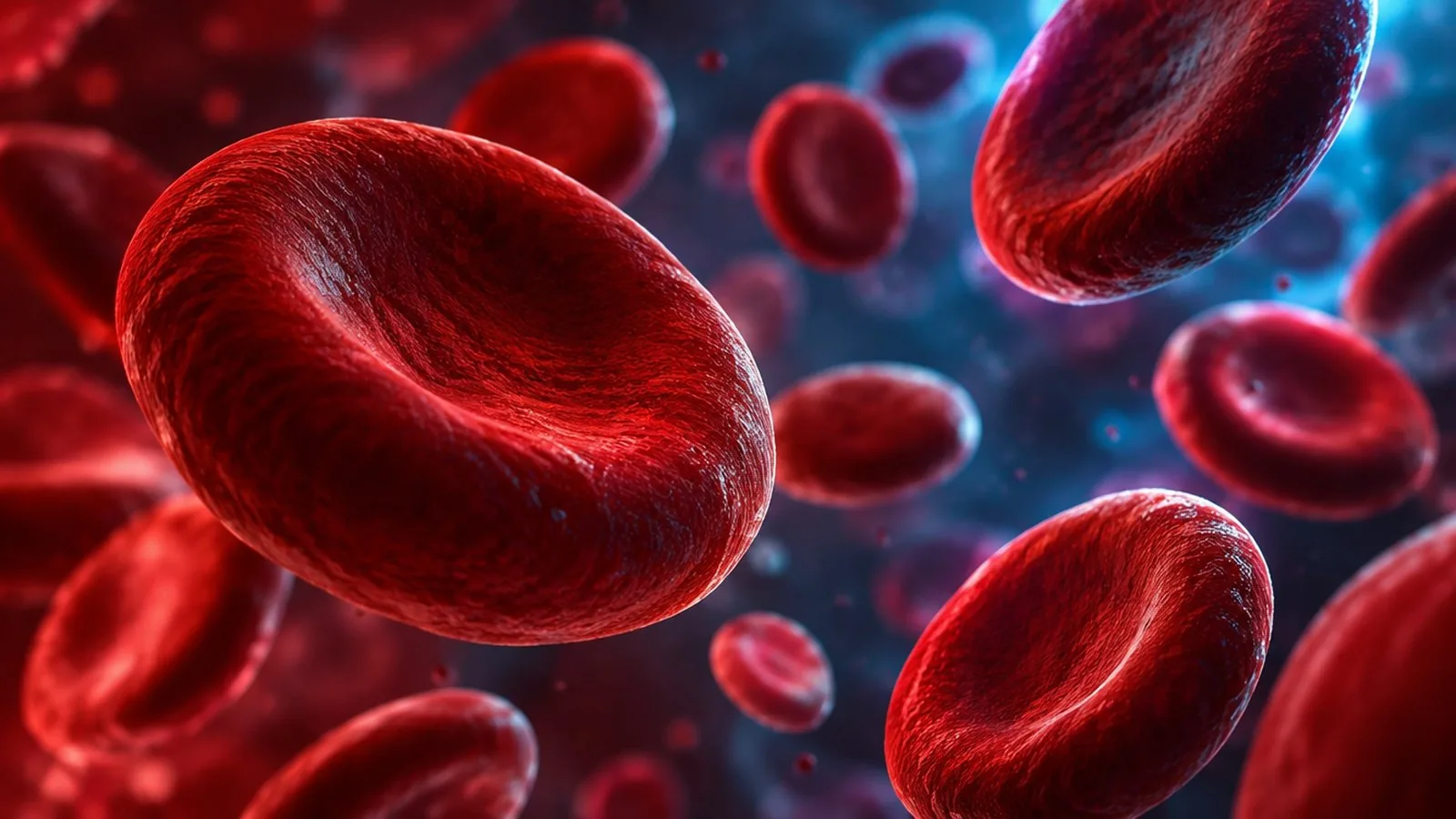
RDW high on your blood test? What red cell distribution width means, the ranges we use, and why high RDW with normal MCV can signal early iron or B12 lack.

Platelets high or low on your blood test? The normal range, common causes like inflammation and iron deficiency, false low counts, and when to see a doctor.
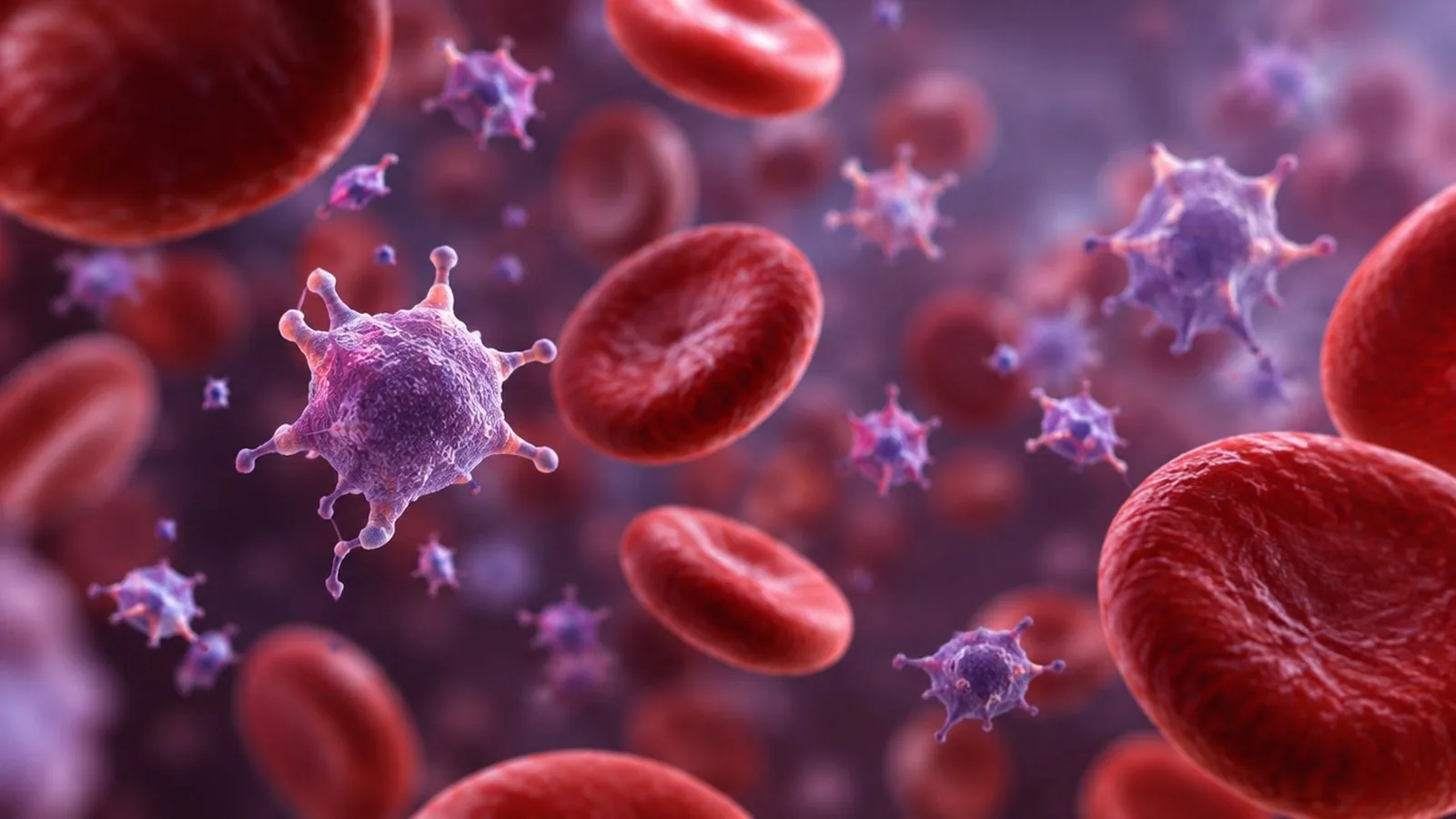
MPV blood test explained: what high or low mean platelet volume means, how to read MPV with your platelet count, the usual range, and why labs differ.

Eosinophils high on your blood test? The normal range, absolute count vs percentage, common causes like allergy, and the red flags that need a doctor.

High red blood cell count, hemoglobin or hematocrit? Everyday causes like dehydration, smoking and testosterone, our ranges, and when it may be polycythemia.

Monocytes high or basophils high on your blood test? Normal ranges, absolute count vs percentage, common causes, key patterns and when to see a doctor.

Can cancer be seen in blood? Is there a test for stress, food intolerance or burnout? Ten honest answers on the limits of blood tests and what helps instead.

What each type of white blood cell means, what high and low values mean, why deviations last for weeks after an infection and when a deviation needs a work-up.

When the thyroid, insulin resistance or cortisol is behind weight gain, how many kilograms each cause actually explains, and which medicines cause weight gain.

Window periods for HIV, syphilis, chlamydia, gonorrhea and hepatitis, the right sample for each infection, and what a negative result taken too early means.

Stool test, breath test or blood antibodies: what each one shows, why acid blockers must be stopped two weeks before, and when endoscopy is needed instead.

Why testosterone is measured in the morning, twice; what SHBG, LH and prolactin add; what lowers it temporarily; why a low number alone isn't a reason to treat.

Allergy vs intolerance: what specific IgE measures, why experts reject IgG food tests, and the right tests for lactose, gluten and histamine.

Which tests make sense three months before a planned pregnancy — rubella immunity, thyroid, iron, blood group, infections — and which ones you can skip.

What an HbA1c between 5.7 and 6.4% means, why the cut-offs differ between organisations, which measures are proven to work and when to re-test.

Fatty liver (MASLD) affects about 1 in 4 adults. What raised ALT and GGT mean, how FIB-4 is calculated, when to be referred and what really helps in 3 months.

Ferritin, thyroid, vitamin D, zinc, B12 and hormones in hair loss: which tests make sense, what targets are used and when blood gives no answer.

Why menopause after 45 is diagnosed clinically, when FSH still helps, what AMH can't tell you, and what to measure instead: thyroid, iron, sugar, lipids, bones.

Hashimoto's explained: disease stages, when medication starts, how to take levothyroxine, and what evidence says on selenium, vitamin D, iodine and gluten.

What do eGFR and creatinine mean? How kidney function is assessed, when a value is worrying and how to protect your kidneys naturally.

Potassium high or low on your blood test? Normal ranges for potassium and sodium, the haemolysis trap, medicines that shift them and when to act the same day.

BUN or urea high on your blood test? What it means, how to convert urea to BUN, the BUN/creatinine ratio, low BUN, and when to see a doctor quickly.

Raised uric acid or gout? What your urate value means, how gout develops and how to lower uric acid naturally with diet and habits.

High triglycerides or low HDL? What they mean for your heart, the target values, and how to improve them with diet and exercise.
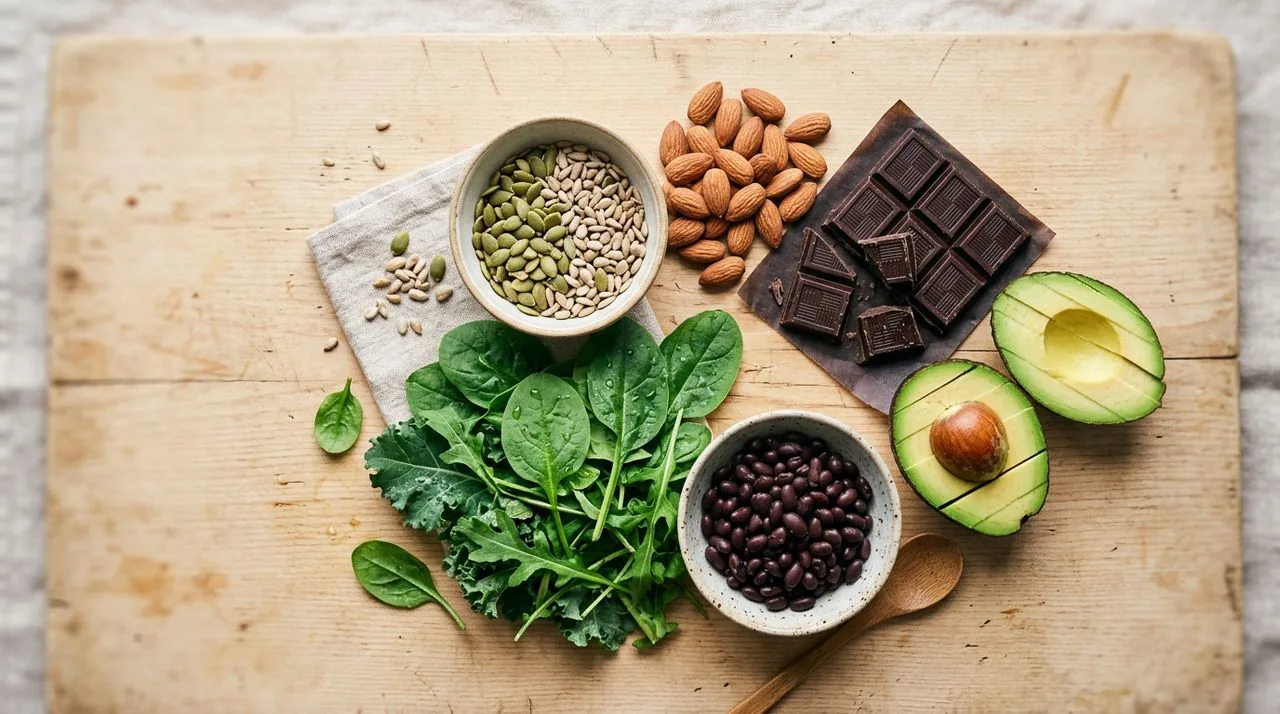
Cramps, tiredness, poor sleep? Magnesium supports muscles and nerves. We explain what your report shows, why serum isn't everything and how to get enough.

A step-by-step plan to lower cholesterol and ApoB naturally: what to eat, which foods to include, exercise, supplements (EFSA) and a realistic time frame.
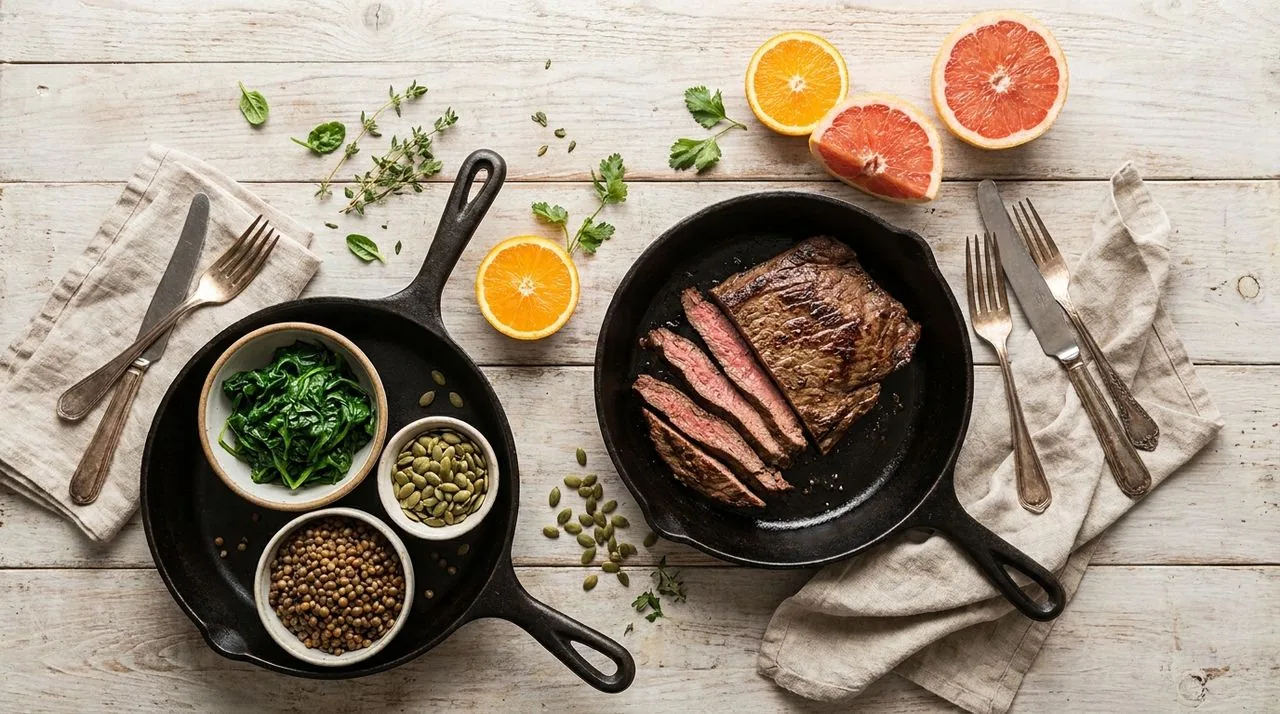
A practical plan to raise iron and ferritin: which foods to eat, how to boost absorption with vitamin C, what to avoid and when a supplement makes sense.
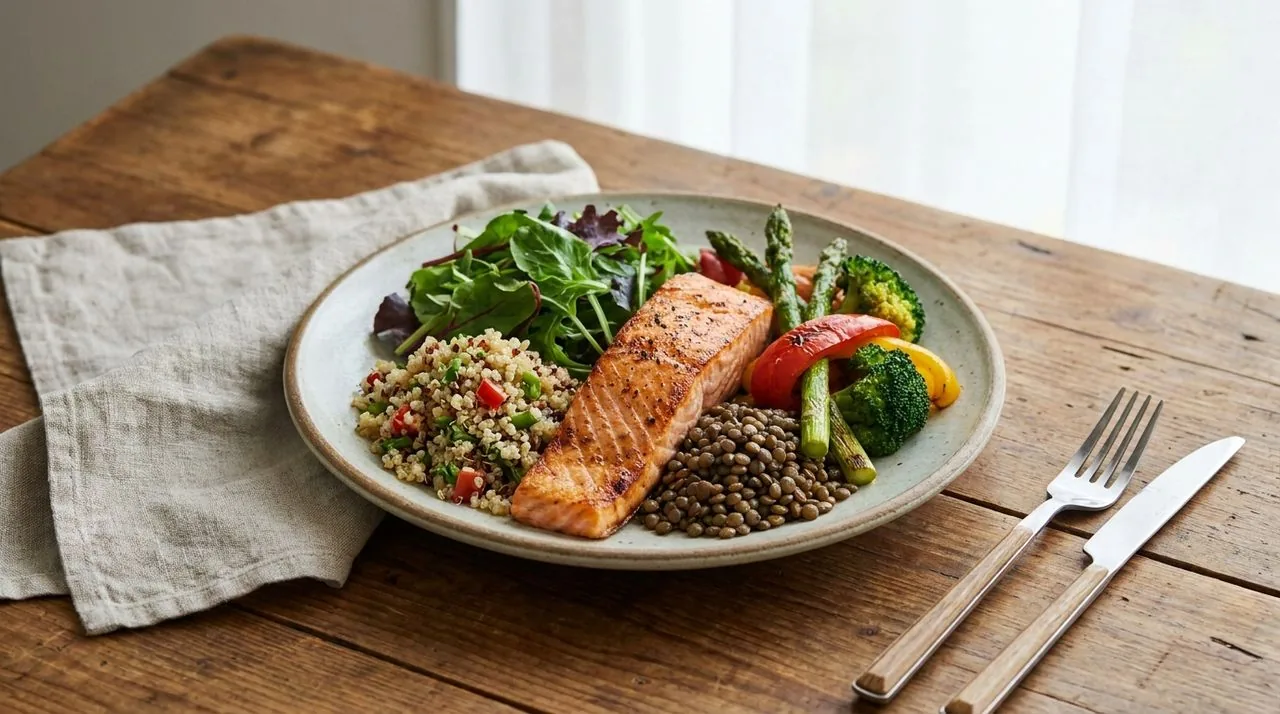
A concrete plan to steady blood sugar naturally and lower HbA1c: meal order, fibre, a walk after eating, exercise and sleep — with a realistic time frame.

A practical plan to lower uric acid naturally and cut the risk of gout: which drinks and foods to limit, what to include, hydration and weight.

A plan to lower chronic inflammation and hs-CRP naturally: anti-inflammatory diet, exercise, weight, sleep and not smoking — with a realistic time frame.

VO₂max is the best indicator of physical fitness and one of the strongest predictors of longevity. What it is, how it is measured and why it matters so much.

A concrete training plan for a higher VO₂max: a Zone 2 base, Norwegian 4×4 intervals and a weekly schedule. Explained simply, for beginners and advanced.

What VO₂max is good for your age and sex? Rough average values by decade, what 'good' means and why the trend matters more than a single number.

Which supplements for blood really work? When they make sense (only for measured deficiency), EFSA claims and what to avoid.

Metabolic health biomarkers after Dr. Casey Means: 7 key values with optimal targets (mmol/L), advanced markers and how to improve them in ~2 months.

Longevity habits after Dr. Robin Berzin (Parsley Health): mitochondria as the root of ageing, three non-negotiables (muscle, metabolism, sleep) and exercise.

Why a regular preventive blood test is one of the smartest moves for longevity: which markers to track, how often, and why the trend beats a single result.
No article matches. Try another word or pick a topic above.