In short
- High eosinophils most often point to allergy, asthma, eczema or a drug reaction, and less often to parasites. A mild rise on its own is rarely an emergency.
- Read the absolute count, not the percentage. Our database flags an absolute count above 0.5 × 10⁹/L (500/µL).
- Mild eosinophilia is 0.5–1.5 × 10⁹/L. Above 1.5 × 10⁹/L (1,500/µL) the rise is more marked and belongs with a doctor.
- Low eosinophils are usually not a concern. Steroid medicines, high cortisol and acute stress lower them.
- See a doctor sooner if the count stays high, other blood cells are also abnormal, or you have a new rash, breathlessness or weight loss.
Your blood count shows eosinophils flagged high, and you want to know if it matters. This guide covers the normal range, why the absolute count beats the percentage, the common causes and the patterns that change the picture. It goes deeper than our white blood cell differential guide.
What does it mean if eosinophils are high?
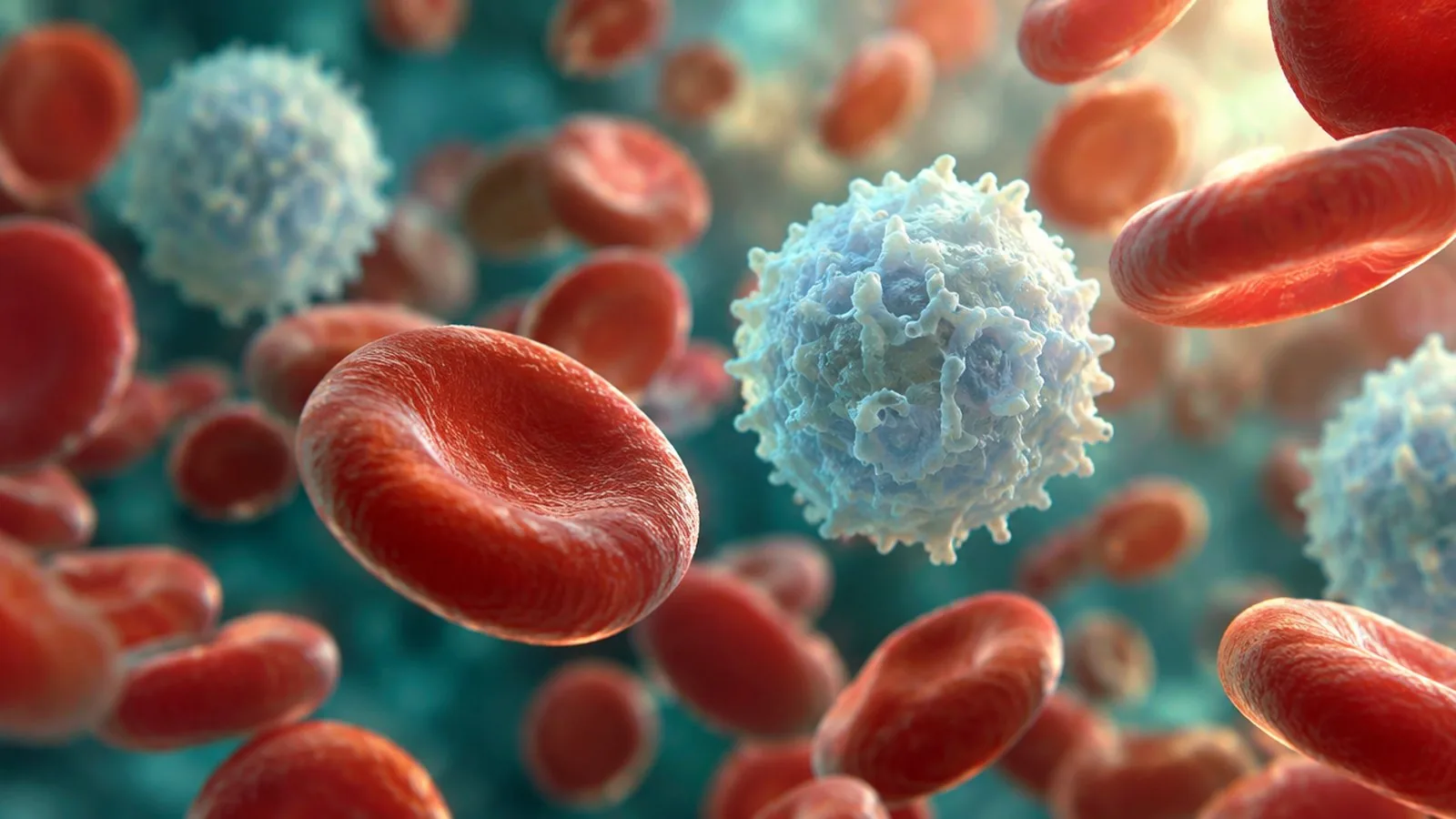
High eosinophils (eosinophilia) mean that more of the white cells linked to allergy and parasites are circulating than usual. In adults the cause is most often allergic: hay fever, asthma, eczema, or a reaction to a medicine or food. A single mildly high value is rarely an emergency.
Eosinophils defend against parasites and infections, take part in allergies and help control inflammation (MedlinePlus). They make up only a small share of your white cells. So a small change in their number can push the percentage over the line.
Other causes listed by MedlinePlus and StatPearls include:
- Parasite infections, such as worms, especially after travel.
- Fungal infections and some other infections.
- Autoimmune and connective tissue diseases.
- Adrenal gland deficiency.
- Certain medicines, including some antibiotics.
- Inflammation of the gut driven by eosinophils (eosinophilic gastroenteritis).
- Rarely, blood disorders such as leukemia or lymphoma, or hypereosinophilic syndrome.
What is the normal range for eosinophils?
Most labs treat an absolute eosinophil count up to 0.5 × 10⁹/L (500/µL) as normal. MedlinePlus gives the same limit: fewer than 500 cells per microliter. For the percentage, our database uses 6% as the upper limit. The exact interval depends on the lab method, so also check the range printed on your report.
| Marker | Value | How Blood Lab 360 reads it |
|---|---|---|
| Eosinophils (absolute) | up to 0.5 × 10⁹/L (up to 500/µL) | Within the reference range. |
| Eosinophils (absolute) | above 0.5 × 10⁹/L (above 500/µL) | Elevated: often allergy or a parasite; read in context. |
| Eosinophils (percentage) | up to 6% | Within the reference range. |
| Eosinophils (percentage) | above 6% | Elevated: check the absolute count and repeat. |
| Total IgE | up to 100 kU/L | Within range. |
| Total IgE | 100–200 kU/L | Mildly elevated: possible allergic tendency. |
| Total IgE | above 200 kU/L | Elevated: allergic tendency; read in context. |
Source: these are common laboratory reference intervals used in the Blood Lab 360 database. No European guideline sets an explicit cut-off for these markers, and reference ranges differ between labs.
How high is high?
StatPearls (2023) grades eosinophilia by the absolute count:
- Mild: 0.5–1.5 × 10⁹/L (500–1,500/µL).
- Moderate: 1.5–5.0 × 10⁹/L (1,500–5,000/µL).
- Severe: above 5.0 × 10⁹/L (above 5,000/µL).
A count above 1.5 × 10⁹/L on two tests at least one month apart is one of the criteria for hypereosinophilic syndrome. The grade matters because eosinophils carry enzymes that can damage tissue when high counts last. That is why a marked or lasting rise needs a work-up, even if you feel well.
Eosinophils absolute high or only the percentage: which one counts?
The absolute count counts more, because the percentage moves whenever other white cells change. The absolute count is your total white cell count multiplied by the eosinophil percentage. The same percentage can therefore mean very different numbers.
- White cells 4.0 × 10⁹/L with eosinophils at 8%: the absolute count is 0.32 × 10⁹/L (320/µL). The percentage is flagged, but the absolute count is normal.
- White cells 10.0 × 10⁹/L with eosinophils at 5.5%: the absolute count is 0.55 × 10⁹/L (550/µL). The percentage is in range, but the absolute count is high.
If your report shows only a percentage, you can work it out yourself: white cells (WBC) × percentage ÷ 100. Use numbers from the same blood draw. Some US reports give the count in cells/µL, where 0.5 × 10⁹/L equals 500/µL.
Eosinophils slightly high: should you worry?
A slightly high count, just above 0.5 × 10⁹/L, is usually not a reason to worry if you feel well. It is common with active hay fever, asthma or eczema. It can also follow a new medicine. The sensible next step is to link it to your symptoms and repeat it later, not to order many new tests.
A few questions help before you talk to your doctor:
- Do you have hay fever, asthma or eczema, and are they active right now?
- Did you start a new medicine in the last weeks? MedlinePlus lists some antibiotics, psyllium laxatives, interferon, tranquilizers and amphetamines as possible causes of a higher count.
- Have you traveled recently? Doctors ask because several parasite infections raise eosinophils.
- Do you have a new rash, cough or breathlessness?
Depending on your answers, your doctor may check total IgE, a stool test for parasites or a chest image. StatPearls names a travel history, a medication review and stool testing among the first steps. If allergy is the question, our article on allergy or intolerance explains which tests make sense.
What do low eosinophils mean?
Low eosinophils are usually not meaningful, because the normal range starts at zero. StatPearls gives 0–500 cells/µL as normal. MedlinePlus lists steroid medicines, too much cortisol made by the body and alcohol intoxication as causes of a low count. Acute stress can lower them too.
A very low count matters only when it fits a wider pattern. The most common one is the stress or steroid pattern described below.
Which patterns with other blood values change the meaning?
Eosinophils are read together with other values, because a combination tells more than a single number. These are the patterns worth knowing:
- High eosinophils + total IgE above 100 kU/L: fits an allergic tendency (atopy). IgE alone is not a diagnosis. It guides which allergy tests come next.
- High eosinophils + high basophils: both cells take part in allergic reactions, so this often fits allergy. See high monocytes and basophils.
- High eosinophils, rest of the count normal, known allergy: the common and least worrying picture. Recheck at your next planned test.
- High eosinophils + low hemoglobin, abnormal platelets or very abnormal white cells: more than one cell line is affected. StatPearls advises a closer look, up to a bone marrow test, when other lines are also abnormal.
- Low eosinophils + high neutrophils + low lymphocytes: a typical stress or steroid pattern, for example during an acute illness or on prednisone.
- High eosinophils that stay high for months without an explanation: ask for a work-up, even if you feel fine.
For what a single flagged value means in general, read a value outside the reference range.
See a doctor quickly if your eosinophils are above 1.5 × 10⁹/L (1,500/µL), especially on two tests. The same applies if other blood cells are also clearly abnormal. Get care the same day for a widespread rash, blisters, fever or facial swelling after a new medicine. New breathlessness or a cough that will not settle also needs a prompt visit. Unexplained weight loss, night sweats or swollen lymph nodes need a check too. Severe trouble breathing is an emergency.
How Blood Lab 360 reads this
Blood Lab 360 reads the absolute eosinophil count first and uses the percentage only as support. We state that the eosinophil ranges are common laboratory reference intervals, because no European guideline sets a cut-off. The range printed on your own report still applies to your lab.
We read eosinophils together with total IgE, white cells and basophils, never on their own. Where the database has separate bands for age or sex, your values are matched to them. The default re-test interval for eosinophils is 12 weeks. That gives an allergy season, an infection or a medicine change time to settle. If your doctor asks for a sooner repeat, follow that advice.
Frequently asked questions
What does eosinophils absolute high mean?
It means more than 0.5 × 10⁹/L (500/µL) eosinophils are circulating. The most common causes are allergy, asthma, eczema and drug reactions, and less often parasites. A mild rise is rarely urgent; a marked or lasting one needs a doctor.
Are slightly high eosinophils dangerous?
Usually not. A count just above the limit with known allergies and no other abnormal values is common. Repeat it later and link it to your symptoms. See a doctor if it keeps rising or you have new symptoms.
What is the normal range for eosinophils?
An absolute count up to 0.5 × 10⁹/L (500/µL) is usually normal, and the percentage is usually up to 6%. Labs differ slightly, so compare with the range on your report.
What causes low eosinophils?
Steroid medicines, high cortisol, acute stress and alcohol intoxication. Because the normal range starts at zero, a low count on its own is rarely meaningful.
Can medicines raise eosinophils?
Yes. MedlinePlus lists some antibiotics, psyllium laxatives, interferon, tranquilizers and amphetamines. A rash, fever or swelling after a new medicine with high eosinophils needs prompt medical care.
When should I repeat the eosinophil test?
For a mild rise without symptoms, our default re-test interval is 12 weeks. Avoid testing during an acute infection or allergy flare if you want a baseline. Follow your doctor if they want a sooner repeat.