In short
- High homocysteine most often means your body is short of vitamin B12, folate or B6, which it needs to break homocysteine down. Reduced kidney function can also raise it.
- In our knowledge base, below 10 µmol/L is within range, 10–15 µmol/L is mildly raised, and 15 µmol/L or more is raised.
- In a large Norwegian population study, higher levels went with older age, male sex, smoking, coffee and high blood pressure.
- B vitamins lower homocysteine, but a Cochrane review of 15 trials found no fewer heart attacks or deaths, only a small reduction in stroke.
- Treat a high value as a reason to find the cause, not as a number to chase.
Homocysteine is a marker where a high value tells you more about its causes than about itself. This article explains the ranges, the common causes, what to test next, and what lowering it can and cannot do for you.
What does high homocysteine mean?
High homocysteine means this amino acid is building up in your blood, most often because your body lacks vitamin B12, folate or vitamin B6 to break it down. Our knowledge base notes that reduced kidney function can raise it as well.
Homocysteine forms when your body processes protein. A raised level is a clue, not a diagnosis. Your task, with your doctor, is to find which cause applies to you.
The Hordaland Homocysteine Study followed more than 18,000 men and women in western Norway. Raised homocysteine was associated with cardiovascular disease and death, depression, poorer thinking skills and pregnancy complications. In women it was also linked with lower bone density. An association is not proof of cause, and that difference matters later in this article.
What is the normal range for homocysteine?
In our knowledge base, homocysteine below 10 µmol/L is rated within range, 10 to 15 µmol/L mildly raised, and 15 µmol/L or more raised. US reports use the same unit, µmol/L, so no conversion is needed.
| Rating | Homocysteine (µmol/L) | What it means |
|---|---|---|
| Within range. | Below 10. | At the optimum. |
| Mildly raised. | 10 to 15. | Often a shortage of B6, B12 or folate. |
| Raised. | 15 and above. | Check your B vitamins and seek advice. |
Source: our knowledge base bands, based on Refsum et al., The Hordaland Homocysteine Study, The Journal of Nutrition (2006). Reference ranges differ between laboratories, so always compare with the range on your own report.
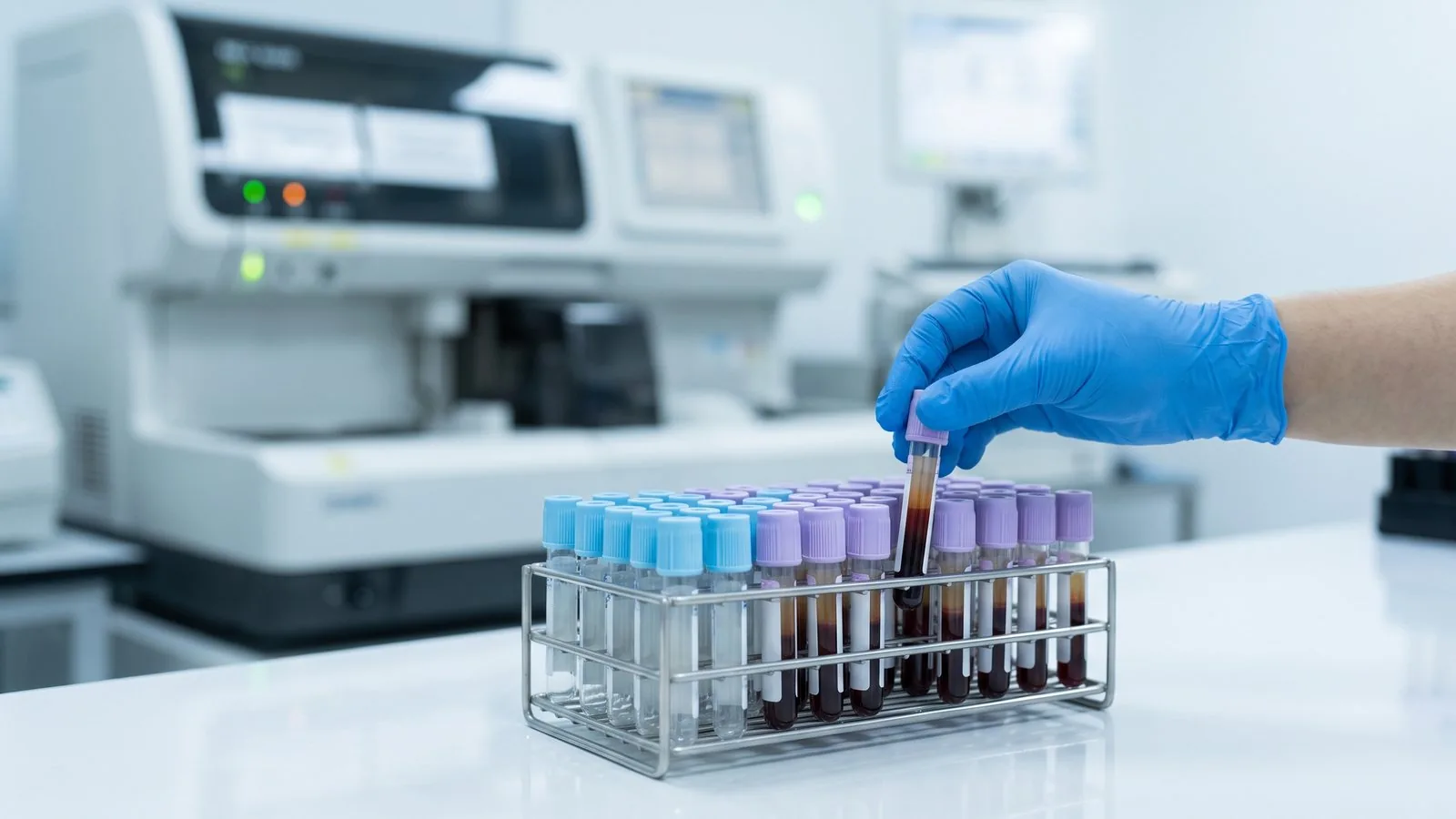
NICE advises doctors to read plasma homocysteine against the laboratory's own reference range. It also asks them to allow for other factors that raise it, such as folate deficiency. When homocysteine is used, NICE suggests the blood is drawn by hospital phlebotomy services.
What causes high homocysteine?
The most common causes are low vitamin B12, low folate or low vitamin B6, followed by reduced kidney function. Thyroid function, lifestyle and genes can shift the level too.
- Low vitamin B12. Our knowledge base follows NICE NG239 for vitamin B12. Below 133 pmol/L is rated low and 133–258 pmol/L borderline (about 180 and 350 pg/mL).
- Low folate. Folate below 7 nmol/L (about 3 ng/mL) is rated low in our knowledge base. Folate assays vary, so your lab's range comes first.
- Low vitamin B6. B6 is also needed to clear homocysteine, but it is rarely part of a routine panel.
- Reduced kidney function. Read homocysteine next to creatinine and eGFR. Following KDIGO 2024, our knowledge base rates eGFR below 60 as reduced.
- An underactive thyroid. A 2014 meta-analysis found higher homocysteine in untreated overt hypothyroidism, but not in subclinical hypothyroidism. Treatment with levothyroxine lowered it. A TSH result helps here.
- Lifestyle and genes. In the Hordaland study, higher levels went with older age, male sex, smoking, coffee, high blood pressure, unfavorable lipids and a common MTHFR gene variant. Physical activity and good folate or B12 status went with lower levels.
What should you test alongside homocysteine?
Test vitamin B12, folate, creatinine with eGFR and, if symptoms suggest it, TSH, because the pattern across these markers points to the likely cause. One homocysteine value alone cannot tell the causes apart.
- High homocysteine with low or borderline B12. A B12 shortage becomes more likely. NICE uses homocysteine or methylmalonic acid (MMA) to help decide when a B12 result is indeterminate.
- High homocysteine with low folate. A folate shortage is the likely driver. Check B12 as well, because high folate intake can mask a B12 deficiency.
- High homocysteine, normal B12 and folate, eGFR below 60. The kidneys may be a contributor. That calls for your doctor's review of kidney function.
- High homocysteine and everything else normal. B6, thyroid function, medicines, smoking and genes are next on the list. A repeat test confirms the value first.
For how B12 and folate work together in the blood count, see vitamin B12 and folate. For kidney markers, see eGFR and creatinine.
How do you lower homocysteine?
You lower homocysteine by fixing its cause: correct a proven B12, folate or B6 shortfall with food or a supplement after advice. Kidney or thyroid causes need your doctor's care.
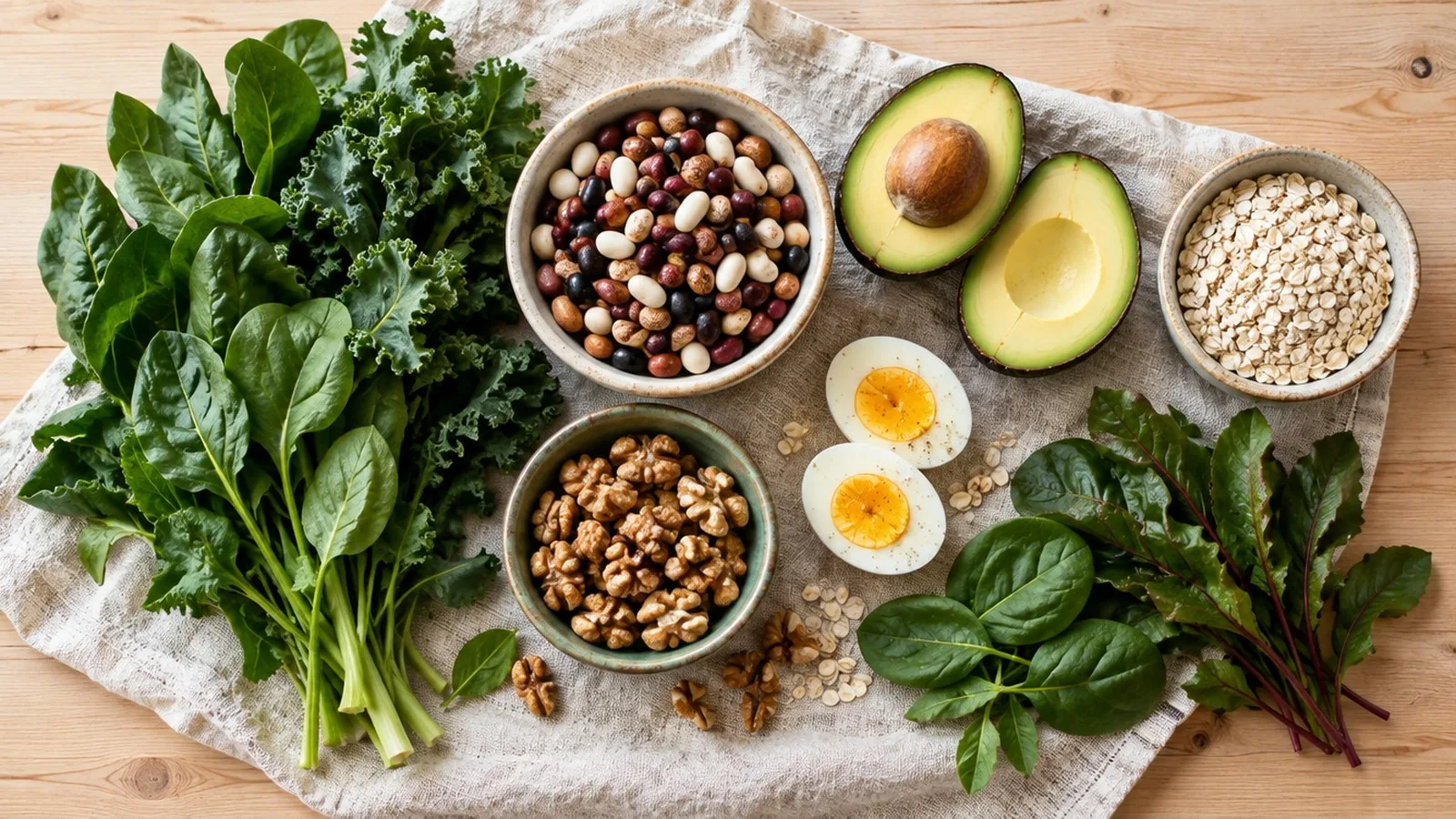
- Food first. B12 comes from meat, fish, eggs and dairy. Folate comes from green leafy vegetables and legumes.
- Supplements after testing. Do not take folic acid alone without knowing your B12, because folate can hide a B12 deficiency. Read supplements and blood tests before you buy.
- Habits. Stop smoking, limit alcohol and stay active. Smoking and inactivity went with higher levels in the Hordaland study.
- Pregnancy. The USPSTF recommends a daily 0.4 to 0.8 mg (400 to 800 µg) folic acid supplement for anyone planning or capable of pregnancy.
- Recheck. Our knowledge base suggests a follow-up test after about 12 weeks. Vitamin stores refill over weeks to months.
Does lowering homocysteine prevent heart attacks?
No, not according to the trials: B vitamins lower homocysteine, but in randomised trials they have not reduced heart attacks or deaths. This is the honest limit of the marker.
A 2017 Cochrane review pooled 15 randomised trials with 71,422 participants. Supplements of vitamins B6, B9 (folate) or B12 made no difference to heart attacks or to death from any cause. Stroke was slightly less common: 4.3 % with the vitamins versus 5.1 % without, a small effect.
The USPSTF also found the evidence insufficient to judge the benefits and harms of single or paired nutrient supplements for preventing cardiovascular disease. So why measure homocysteine at all? A raised level can uncover a B12 or folate shortage, which matters for your blood and nerves.
For heart risk, your doctor will look at established factors such as LDL cholesterol, blood pressure, diabetes and smoking. See LDL cholesterol and ApoB and blood markers of metabolic health.
See a doctor promptly if high homocysteine or low B12 comes with tingling or numbness in your hands or feet, balance problems, memory or mood changes, or marked fatigue and paleness. NICE advises not to delay B12 treatment when nerve symptoms are present. Also seek advice if homocysteine is well above 15 µmol/L, if eGFR is below 60, or if you or close relatives had blood clots at a young age. Sudden chest pain, weakness on one side or trouble speaking need emergency care.
How Blood Lab 360 reads this
Blood Lab 360 rates homocysteine with the bands in the table above and shows the source next to them. The explanation lists vitamin B12, folate and eGFR as markers to read alongside it, so a high value points you toward its possible causes. A borderline B12 is rated yellow, not green, even when the lab prints it within range. The app suggests a follow-up test after about 12 weeks. It does not diagnose and does not recommend doses.
Frequently asked questions
What does elevated homocysteine mean?
It usually means your body lacks vitamin B12, folate or B6 to break homocysteine down. Reduced kidney function or an underactive thyroid can also raise it. It is a clue to look for the cause, not a diagnosis.
What is the normal range for homocysteine?
In our knowledge base, below 10 µmol/L is within range, 10 to 15 µmol/L is mildly raised, and 15 µmol/L or more is raised. Labs differ, so compare with the range on your report.
How are homocysteine and B12 linked?
Your body needs B12 to convert homocysteine, so a B12 shortage makes it rise. NICE uses homocysteine or MMA to help clarify an indeterminate B12 result.
How can I lower homocysteine naturally?
Eat B12 sources such as fish, eggs and dairy, and folate sources such as leafy greens and legumes. Stop smoking and limit alcohol. If a shortage is proven, a supplement after advice works faster.
Should I take B vitamins for my heart if homocysteine is high?
Not for your heart alone. A Cochrane review found B vitamins did not reduce heart attacks or deaths. Take them to correct a proven shortage, with your doctor's advice.
Can kidney problems cause high homocysteine?
Yes, reduced kidney function can raise homocysteine. That is why it is read next to creatinine and eGFR, and an eGFR below 60 needs a doctor's review.