In short
- ALT and AST are enzymes from liver cells. Raised values point to strain on the liver.
- GGT is sensitive to alcohol, medicines and the bile ducts.
- The most common cause in check-ups: fatty liver — often reversible.
- You improve them with weight loss, less sugar and alcohol, and exercise.
- Persistently or markedly raised values belong with a doctor.
The liver is the body's quiet worker. It detoxifies, metabolises and stores. When it is under strain, a blood test often shows it first, before you feel anything at all.
What ALT, AST and GGT tell you
ALT and AST are enzymes that liver cells release when they are strained or damaged. ALT is more specific to the liver. GGT is also sensitive to alcohol, some medicines and strain on the bile ducts. Together they give a picture of how your liver is doing.
What your values mean
| Enzyme | Meaning when raised |
|---|---|
| ALT | strain on liver cells (most specific) |
| AST | liver, but also possibly muscle/heart |
| GGT | alcohol, medicines, bile ducts, fatty liver |
Reference limits depend on the laboratory (and on sex). Judge your value against the range on your own report. Source: EASL–EASD–EASO 2024 clinical practice guideline on steatotic liver disease (MASLD); the limits themselves are laboratory-specific.
The most common cause — fatty liver
In preventive check-ups, the most common cause of mildly raised enzymes is fatty liver (a build-up of fat in the liver). It is often linked to excess weight, sugar and metabolic syndrome. The good news: caught early, it is often reversible through lifestyle.
How to help your liver naturally
1) Less sugar and alcohol
Fructose from sugary drinks and alcohol put the most strain on the liver. Cutting them back is often the most powerful step.
2) Losing excess weight and exercise
Even moderate weight loss noticeably lowers liver fat and liver enzymes.
3) A balanced diet
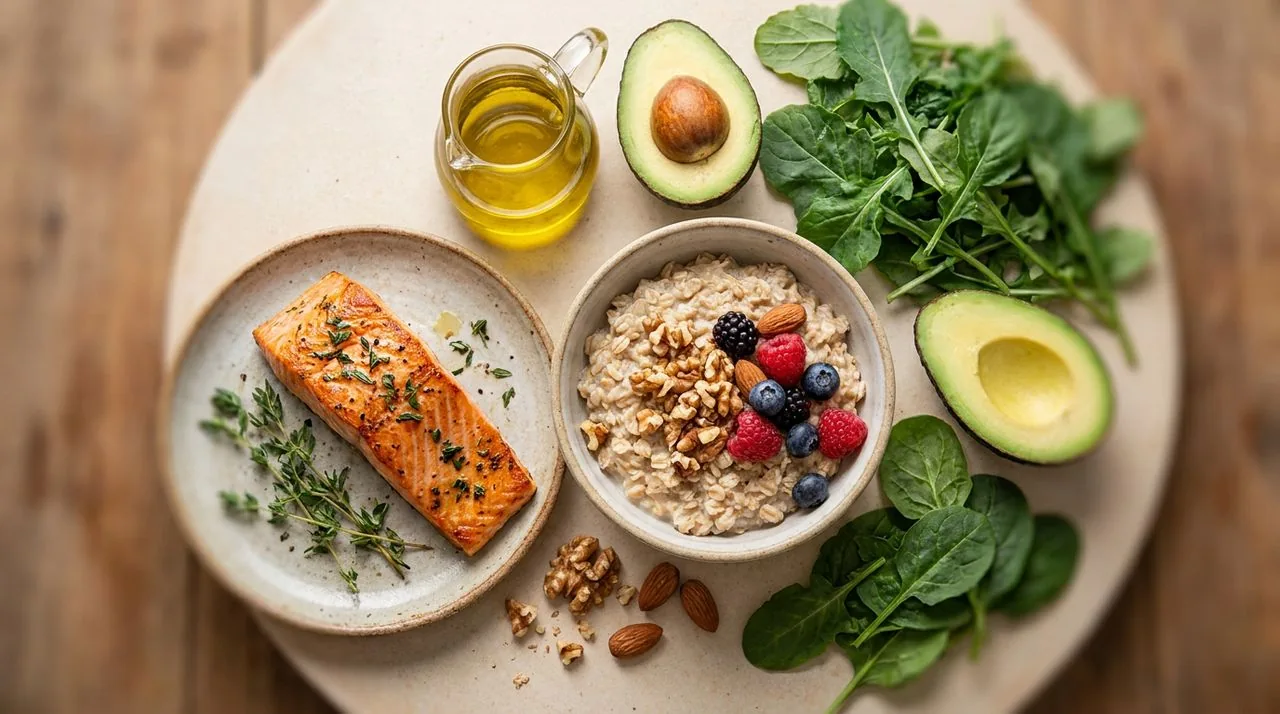
More vegetables, fibre and good-quality fats (olive oil, fish); less processed food.
A realistic goal: with consistent lifestyle changes, liver tests often improve within 3–6 months. A follow-up test shows the direction.
How Blood Lab 360 helps you with this
Upload your report and we explain your liver tests in the context of your blood sugar and lipids. We show the likely cause, prepare a plan and track your progress over time.
Frequently asked questions
What do raised liver enzymes mean?
That liver cells are under strain. The most common cause in check-ups is fatty liver. A doctor assesses the cause.
What does a raised GGT mean?
GGT is sensitive to alcohol, some medicines and strain on the bile ducts. It often goes along with fatty liver.
How can I help my liver?
By losing excess weight, cutting sugar and alcohol, exercising and eating a balanced diet.