In short
- Anti-inflammatory diet: vegetables, berries, oily fish, olive oil.
- Exercise + losing belly fat are among the strongest levers.
- Sleep and not smoking lower inflammation significantly.
- Measure hs-CRP when you do not have an acute infection; target below 1 mg/L.
Chronic “silent” inflammation in the background speeds up the ageing of blood vessels. The good news: lifestyle has a strong effect on hs-CRP. Here is a concrete plan. (For an explanation, see hs-CRP and inflammation.)
Step 1 — The anti-inflammatory plate
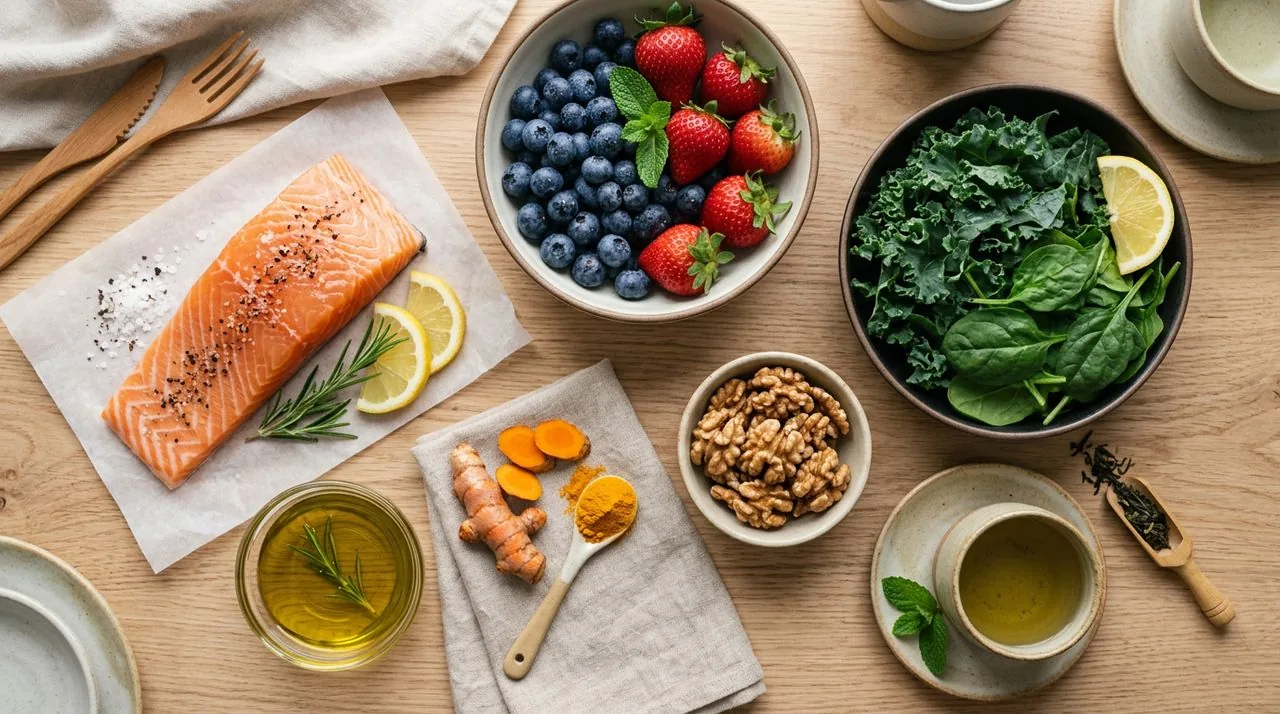
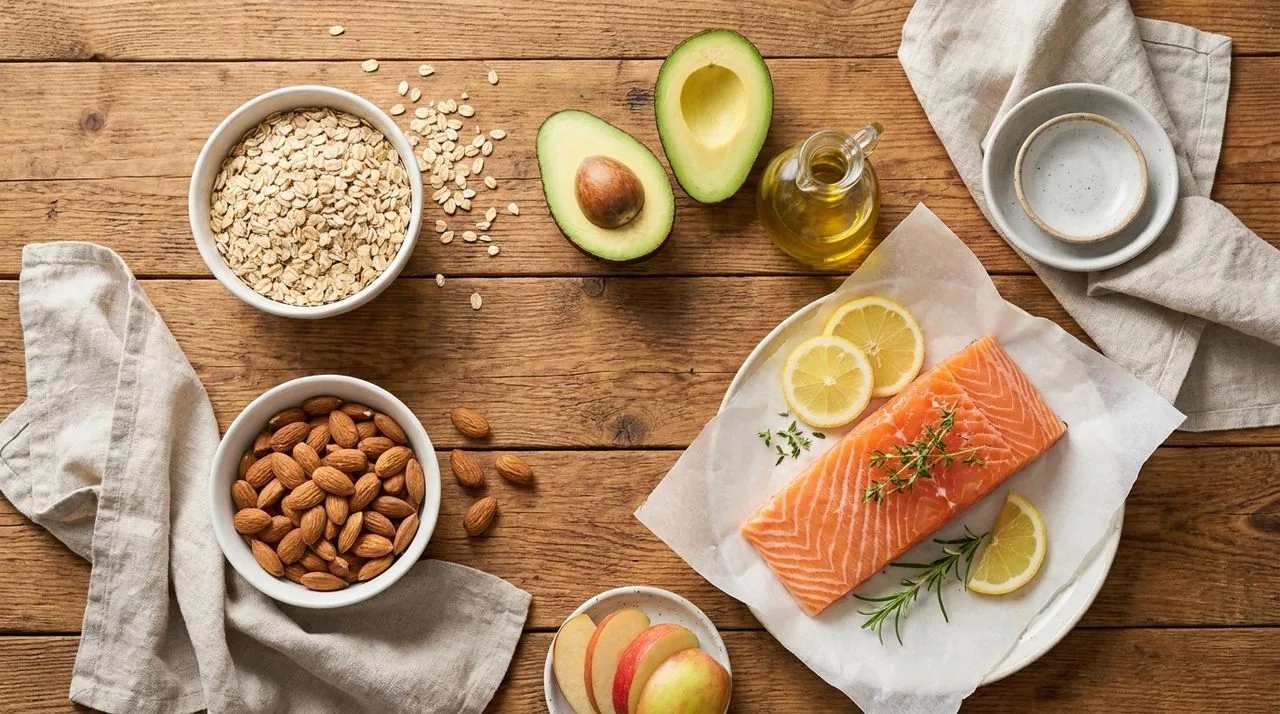
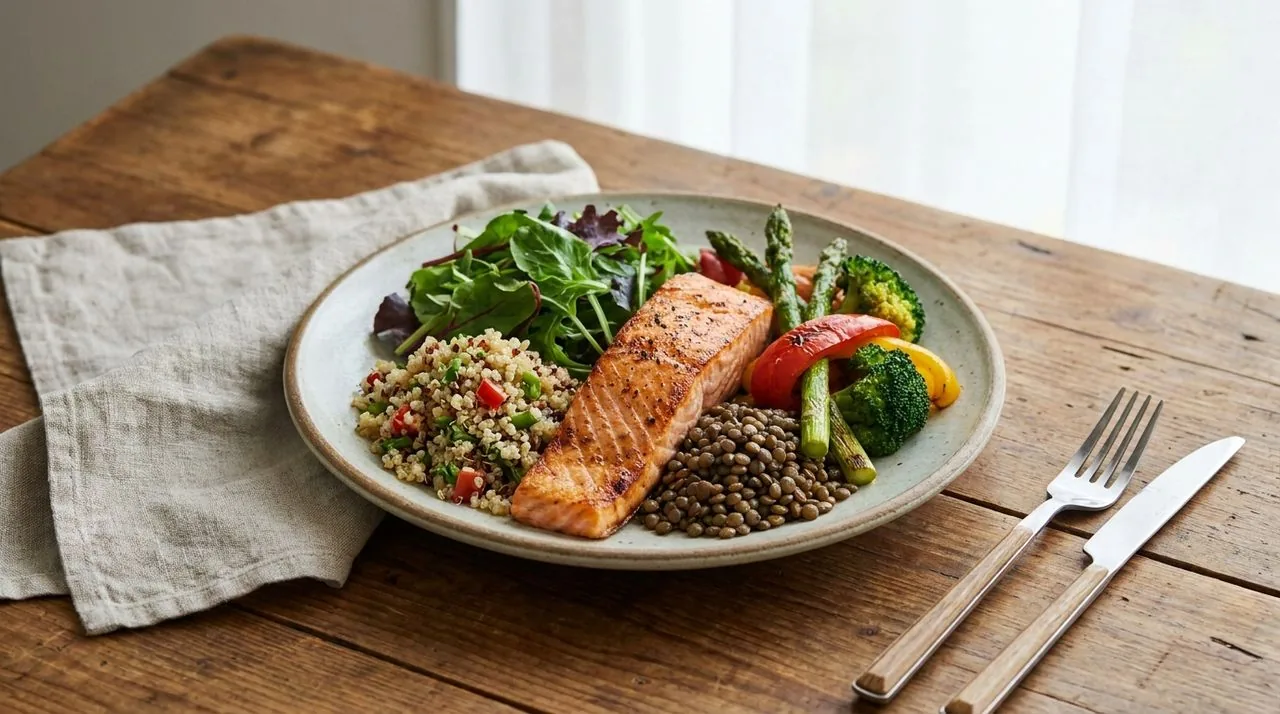
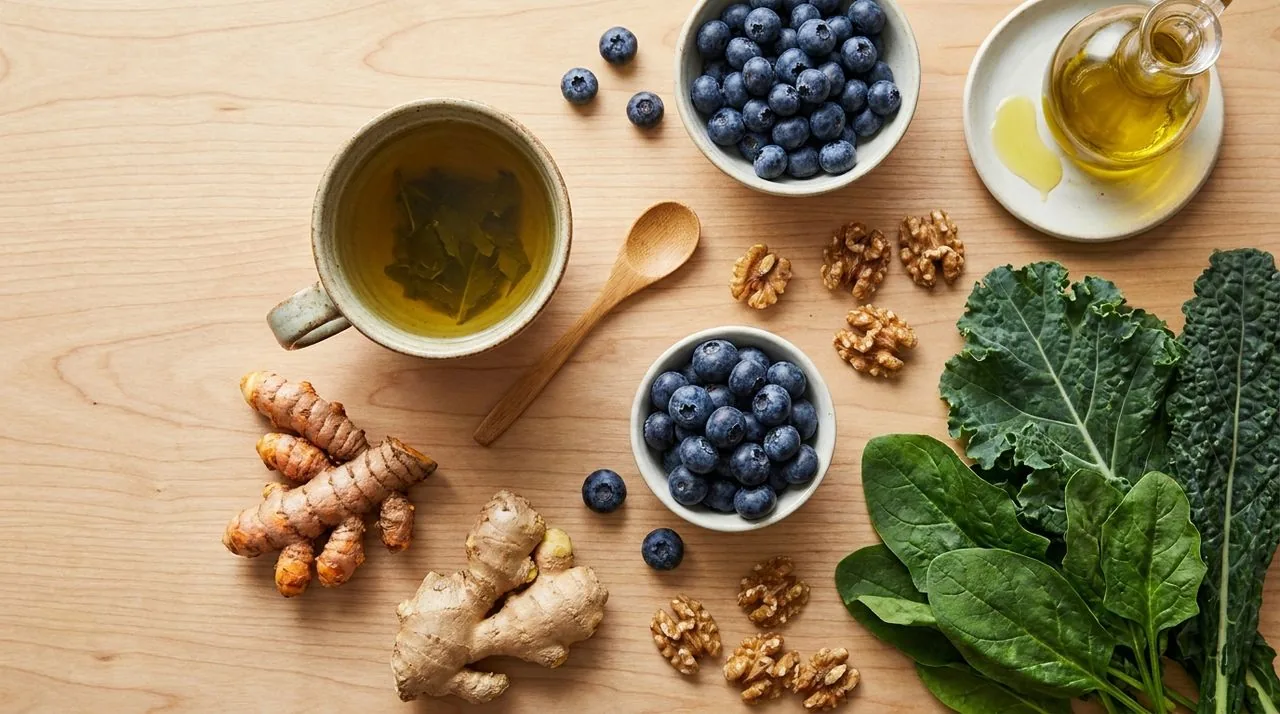
Base every meal on vegetables. Add berries, oily fish (omega-3), nuts and olive oil. Cut back on sugar, processed food and trans fats.
Step 2 — Exercise and belly fat
Excess belly fat is a source of inflammatory signals. Regular exercise and losing excess kilograms often lower hs-CRP noticeably.
Step 3 — Sleep and not smoking
7–8 hours of good-quality sleep and quitting smoking are among the strongest anti-inflammatory measures.
| Include | Reduce |
|---|---|
| vegetables, berries | sugar, sugary drinks |
| oily fish, olive oil | trans fats, fried food |
| regular sleep, exercise | smoking, sitting for long periods |
How do I know it's working? Repeat hs-CRP in a few months, when you do not have an infection. The target is below 1 mg/L.
How Blood Lab 360 helps you
Upload your report and we put hs-CRP in the context of your lipids and blood sugar. We prepare an anti-inflammatory plan and track your progress over time.
Frequently asked questions
Which foods lower inflammation?
Vegetables, berries, oily fish (omega-3), nuts and olive oil; less processed food, sugar and trans fats.
How quickly does hs-CRP go down?
Lifestyle changes usually show within a few months. Measure when you do not have an infection.
What raises inflammation the most?
Excess belly fat, poor sleep, smoking and a diet high in sugar and trans fats.