In short
- Triglycerides are fats in the blood; high levels point to metabolic risk.
- HDL is the “good” cholesterol — higher is better.
- Targets: triglycerides below 1.7; HDL above 1.3 (women) / 1.0 (men).
- Triglycerides respond to lifestyle fast — less sugar, more movement, omega-3.
Triglycerides and HDL are the part of a lipid report we often overlook next to cholesterol. Yet they say a lot about metabolic health and heart and vessel risk.
What triglycerides and HDL are
Triglycerides are the main form of fat in the blood. When there are too many (often because of sugar, alcohol and excess weight), metabolic risk rises. HDL (the “good” cholesterol) carries cholesterol out of the vessels back to the liver. That is why a higher HDL is favourable. High triglycerides often go together with low HDL.
What your values mean
| Marker | Target |
|---|---|
| Triglycerides | below 1.7 mmol/L |
| HDL (women) | above 1.3 mmol/L |
| HDL (men) | above 1.0 mmol/L |
Source: ESC/EAS 2019 for triglycerides below 1.7 mmol/L. ESC/EAS treats HDL as a risk marker (below 1.0 mmol/L in men and 1.2 in women), not as a target; the 1.3 mmol/L figure for women comes from the US NCEP guidance. Non-fasting samples are accepted for routine lipid testing.
How to improve them naturally
1) Less sugar and alcohol
Sugary drinks, refined white products and alcohol raise triglycerides the most. Cutting them back often works fast.
2) Exercise and a healthy weight
Aerobic exercise lowers triglycerides and raises HDL. Losing excess weight helps further.
3) Omega-3
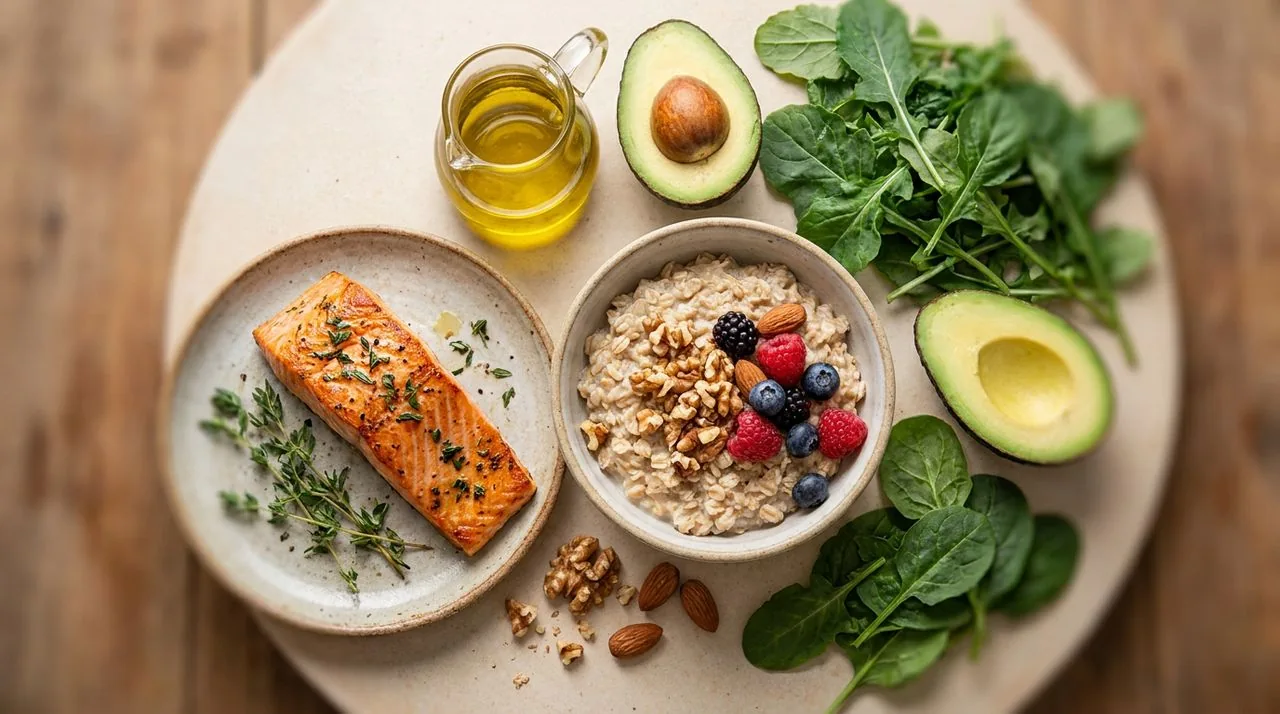
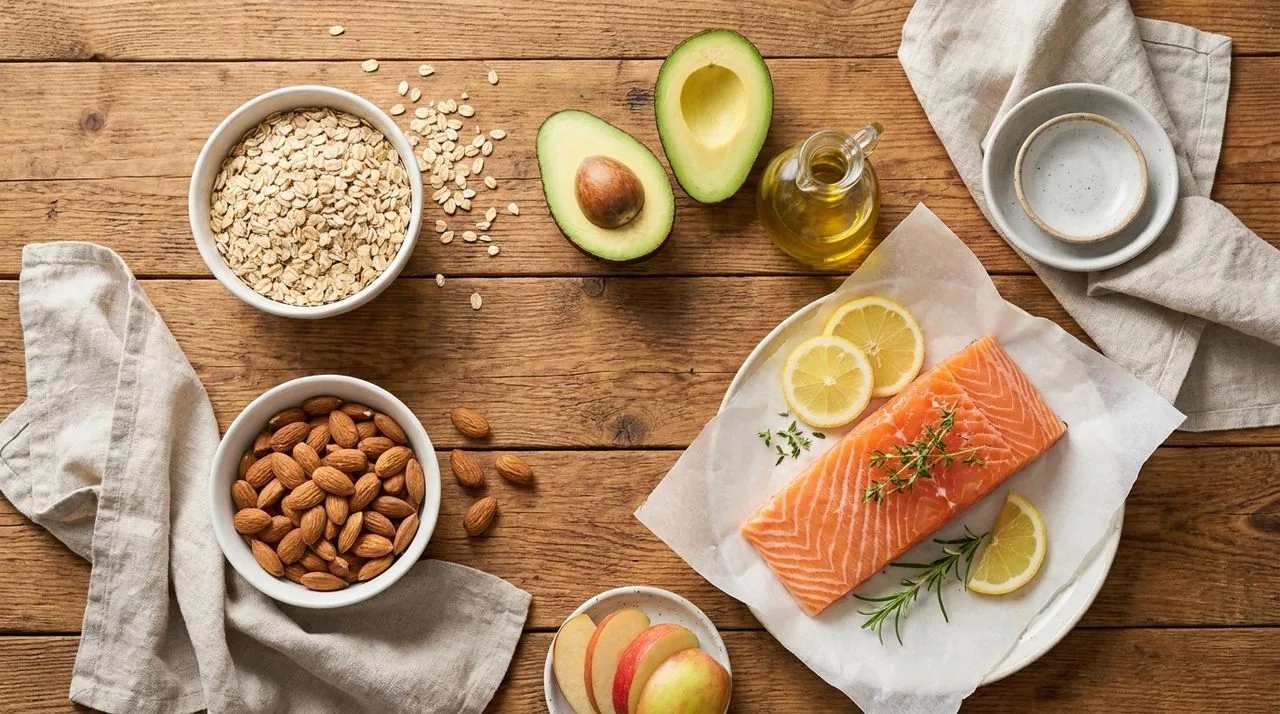
Oily fish or omega-3 lower triglycerides. Good-quality (unsaturated) fats support HDL.
A realistic goal: triglycerides respond to lifestyle fast — often within a few weeks. Track them together with LDL and ApoB for the full picture.
How Blood Lab 360 helps
Blood Lab 360 explains your triglycerides and HDL as part of the full lipid profile (with ApoB). It prepares a plan and tracks your progress over time.
Frequently asked questions
What is the target value for triglycerides?
Below 1.7 mmol/L; 1.7–2.3 is borderline, above 2.3 is raised.
Why is HDL the “good” cholesterol?
It carries cholesterol out of the vessels back to the liver; above 1.3 (women) and 1.0 (men) is desirable.
How do I lower triglycerides?
With less sugar and alcohol, weight loss, omega-3 and exercise.