In short
- Most high platelet counts are reactive. StatPearls reports that 80–90% come from causes such as infection, inflammation, iron deficiency or surgery, not from a bone marrow disease.
- Our database uses 145–387 × 10⁹/L (145,000–387,000/µL) as the normal range. Many US labs use 150,000–450,000/µL.
- A mildly low count, 100–150 × 10⁹/L, usually causes no symptoms. The risk of bleeding rises below 50 × 10⁹/L (50,000/µL).
- A low count can be false: platelets can clump in the standard tube. A repeat in a citrate tube settles this.
- See a doctor soon for unusual bleeding, pinpoint red spots on the skin, a very high count or a count that stays abnormal.
Platelets are flagged on many routine blood counts, and the flag alone says little. This guide explains the normal range, the common causes of high and low counts, the lab error that fakes a low result, and the patterns that point to the cause. It adds detail to our complete blood count guide.
What is the normal platelet count?
A normal adult platelet count in our database is 145–387 × 10⁹/L (145,000–387,000/µL). This range comes from NORIP, a multicenter reference interval study of adults in the Nordic countries. StatPearls uses 150,000–450,000/µL. A value of 420 can therefore be flagged high in one lab and normal in another.
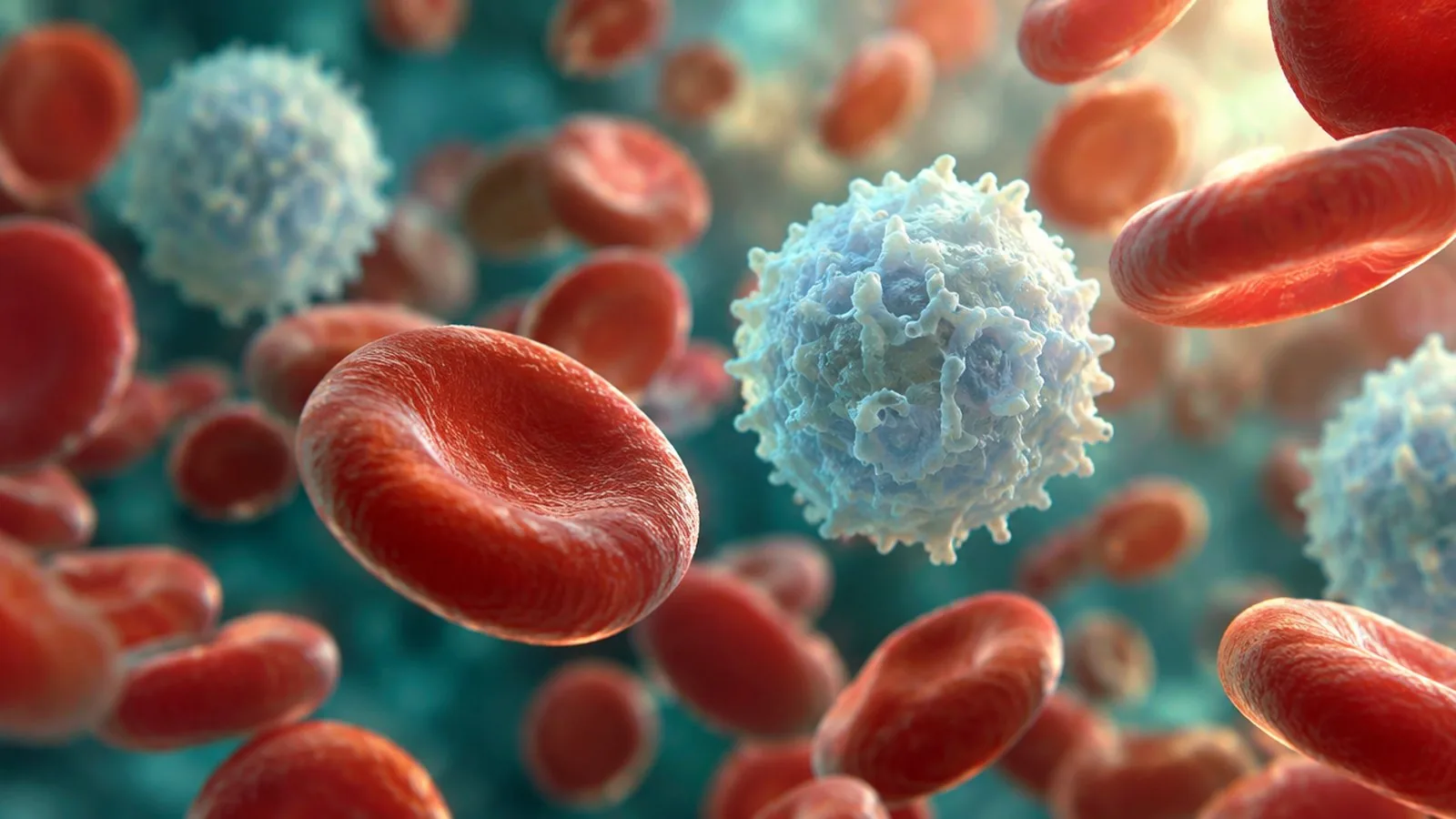
Platelets are tiny cell fragments made in the bone marrow. They clump together to plug a damaged blood vessel. Each platelet lives 7–10 days, so the count can change within days.
| Marker | Value | How Blood Lab 360 reads it |
|---|---|---|
| Platelets | below 145 × 10⁹/L (below 145,000/µL) | Below the reference range: your lab's range applies; review with a doctor. |
| Platelets | 145–387 × 10⁹/L (145,000–387,000/µL) | Within the reference range. |
| Platelets | above 387 × 10⁹/L (above 387,000/µL) | Above the reference range: your lab's range applies; review with a doctor. |
| Ferritin | below 15 µg/L (ng/mL) | Depleted iron stores. |
| Ferritin | 15–30 µg/L (ng/mL) | Iron stores running low. |
| hs-CRP | above 3 mg/L | Elevated inflammation: find the source. |
Source: NORIP (Nordic Reference Interval Project), Nordin G et al., 2004 for platelets; WHO 2020 for ferritin; AHA/CDC 2003 for hs-CRP. Reference ranges differ between labs, so also check the range on your report.
What does it mean if platelets are high?
High platelets (thrombocytosis) most often mean your body is reacting to something else. StatPearls reports that 80–90% of cases are secondary, or reactive. Only 10–20% come from a primary bone marrow disorder. The usual triggers are infection, inflammation, iron deficiency, tissue damage and surgery.
These are the high platelet count causes that StatPearls lists:
- Infection: behind about 75% of reactive cases in children, and a common trigger in adults too.
- Inflammatory diseases: such as rheumatoid arthritis or inflammatory bowel disease.
- Iron deficiency: about 30% of people with iron deficiency anemia have high platelets.
- Tissue damage: after surgery, injury or loss of blood supply to tissue.
- Removal of the spleen: about 75% of people develop high platelets afterward.
- Other causes: cancer, faster red cell breakdown (hemolysis) and some medicines.
- Less often: a bone marrow disorder, such as essential thrombocythemia.
Platelets elevated: what does it mean for blood clots?
A reactive rise is usually handled by treating its cause, not the platelets. StatPearls reserves anti-platelet treatment mainly for extreme counts above 1,000 × 10⁹/L (1,000,000/µL) or for people who have had a clot. Clot risk is higher in specific settings, such as the first weeks after spleen removal.
MedlinePlus lists symptoms that can come with high platelets. They include numbness of the hands and feet, headache, dizziness and weakness. Pain, swelling and warmth in a lower leg can be a sign of a clot and need prompt care.
To tell reactive from primary thrombocytosis, doctors look at inflammation markers such as CRP, iron tests and a blood smear. If these do not explain the rise, gene tests such as JAK2 or a bone marrow test may follow (StatPearls).
What does a low platelet count mean?
Low platelets (thrombocytopenia) mean fewer fragments are available to stop bleeding. StatPearls defines it as a count below 150,000/µL. A mild drop usually causes no symptoms, and the risk of bleeding grows as the count falls.
- 100–150 × 10⁹/L (100,000–150,000/µL): mild, generally no symptoms.
- 50–100 × 10⁹/L (50,000–100,000/µL): moderate, you may bruise easily.
- Below 50 × 10⁹/L (50,000/µL): severe, with a bleeding risk during surgery or procedures.
- Below 10 × 10⁹/L (10,000/µL): critical, with a risk of bleeding without injury.
StatPearls groups the causes of low platelets like this:
- The bone marrow makes fewer: alcohol, some medicines, B12, folate or copper deficiency, and bone marrow disease.
- The body destroys more: immune thrombocytopenia (ITP), heparin, and medicines such as quinine, sulfonamides and NSAIDs.
- The spleen holds more: liver disease with an enlarged spleen. About one third of platelets normally sit in the spleen.
- Infections: including HIV, hepatitis C, parvovirus and H. pylori.
- Dilution: in pregnancy or after large transfusions.
MedlinePlus lists the signs of a low count: bleeding for a long time after a small cut, nosebleeds, unexplained bruising, and pinpoint red spots on the skin called petechiae.
Can a low platelet count be a lab error?
Yes, platelets can clump together in the EDTA tube used for a standard blood count, and the result then looks falsely low. This is called pseudothrombocytopenia. StatPearls advises repeating the count in a tube with citrate. If your count is low, you have no bruising or bleeding, and the rest of the count is normal, a repeat is the sensible first step.
Which patterns with other values point to the cause?
Platelets are most useful when read next to iron, inflammation and the rest of the blood count. These patterns help:
- High platelets + ferritin below 30 µg/L and small red cells (low MCV): fits iron deficiency. With inflammation, WHO 2020 treats ferritin up to 70 µg/L as possible iron deficiency. See ferritin and iron.
- High platelets + hs-CRP above 3 mg/L: fits reactive, inflammation-driven thrombocytosis. Recheck after the inflammation has settled. See hs-CRP and inflammation.
- High platelets + high white cells during an infection: a typical reactive picture. Repeat after recovery, not during the illness.
- High platelets that stay high with normal ferritin and CRP: a reactive cause is less likely. Ask your doctor whether further tests make sense.
- Low platelets + low white cells + low hemoglobin: more than one cell line is down. This points to the bone marrow or the spleen and needs a doctor soon.
- Low platelets + large red cells (high MCV): fits B12 or folate deficiency or alcohol use.
- Low platelets alone, no bleeding, everything else normal: repeat the count, ideally with a citrate tube.
For how to treat a single flagged value in general, read a value outside the reference range.
Get medical help the same day if you have blood blisters in the mouth, blood in the urine, a nosebleed that will not stop or many new pinpoint red spots. StatPearls notes that such bleeding can come before a severe bleed. A count below 50 × 10⁹/L (50,000/µL) needs prompt review, and below 10 × 10⁹/L (10,000/µL) is urgent. If platelets fall while you take heparin, contact your doctor right away. In pregnancy, low platelets with headache or high blood pressure also need urgent care. A count above 1,000 × 10⁹/L, or a high count with a painful swollen leg or chest pain, needs urgent care too.
How Blood Lab 360 reads this
Blood Lab 360 reads platelets against the NORIP 2004 range and names that source next to the value. If your lab prints a different range, that range applies to your report. A result of 400 flagged by us may still be normal in your lab.
We never read platelets alone. The app places them next to white cells, hemoglobin, hs-CRP and ferritin, because that combination separates reactive causes from those that need a closer look. Where the database has separate bands for age or sex, your values are matched to them. The default re-test interval for platelets is 24 weeks. A value outside the range is often rechecked sooner, as your doctor decides.
Frequently asked questions
What does a high platelet count mean?
Most often a reaction to infection, inflammation, iron deficiency, surgery or tissue damage. StatPearls puts this at 80–90% of cases. A lasting rise without such a cause needs a doctor to look further.
What is the normal range for platelets?
Our database uses 145–387 × 10⁹/L (145,000–387,000/µL). Many labs use 150,000–450,000/µL. Always compare with the range on your own report.
What causes a low platelet count?
Common causes include viral infections, medicines, alcohol, B12 or folate deficiency, immune thrombocytopenia and liver disease with an enlarged spleen. A clumping artifact in the tube can also fake a low count.
Can iron deficiency cause high platelets?
Yes. StatPearls reports high platelets in about 30% of people with iron deficiency anemia. Check ferritin with CRP, because inflammation can hide a deficiency.
Is a platelet count of 400 dangerous?
Usually not. It is just above our range but inside the 150,000–450,000/µL range many labs use. Look for a reactive cause such as a recent infection or low iron, and recheck later.
When should I repeat a platelet count?
For a stable, in-range value our default re-test interval is 24 weeks. A mild abnormality is usually rechecked after an infection has cleared. A marked abnormality or any bleeding needs a doctor now, not a planned repeat.